
The Mid-Autumn Festival: A Journey Through Moonlight, Legends, and Family
When you think of the Mid-Autumn Festival, images of glowing lanterns, mooncakes, and families gathering under a full moon likely come to mind.
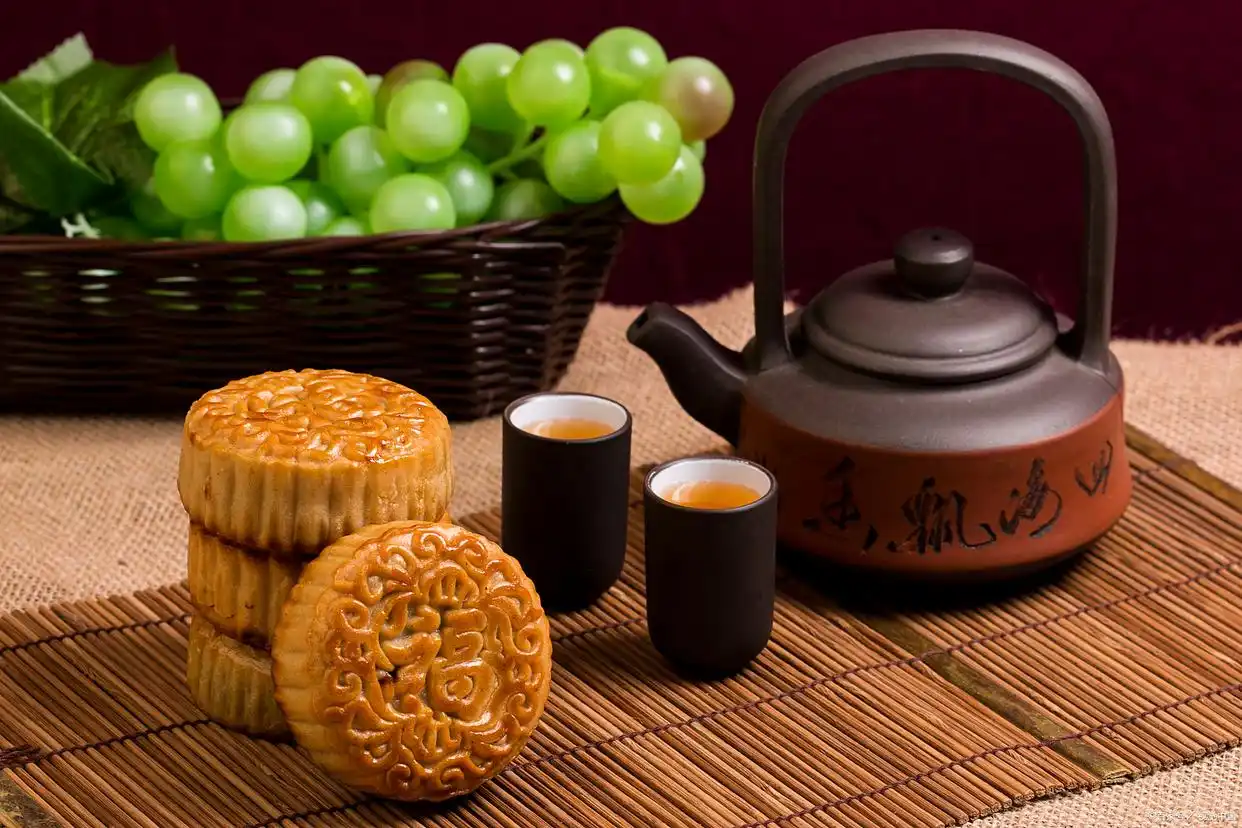
But this beloved Chinese holiday has roots that stretch back thousands of years — to ancient rituals, poetic reflections, and timeless legends.
1. Ancient Roots: Honoring the Moon as a Divine Force
Long before it became a family celebration, the Mid-Autumn Festival began as a form of moon worship.
In ancient agrarian China, the moon was more than just a celestial body — it symbolized the rhythm of nature, guided farming cycles, and influenced harvests. People believed the moon was home to a powerful deity, and showing respect could bring good fortune and bountiful crops.
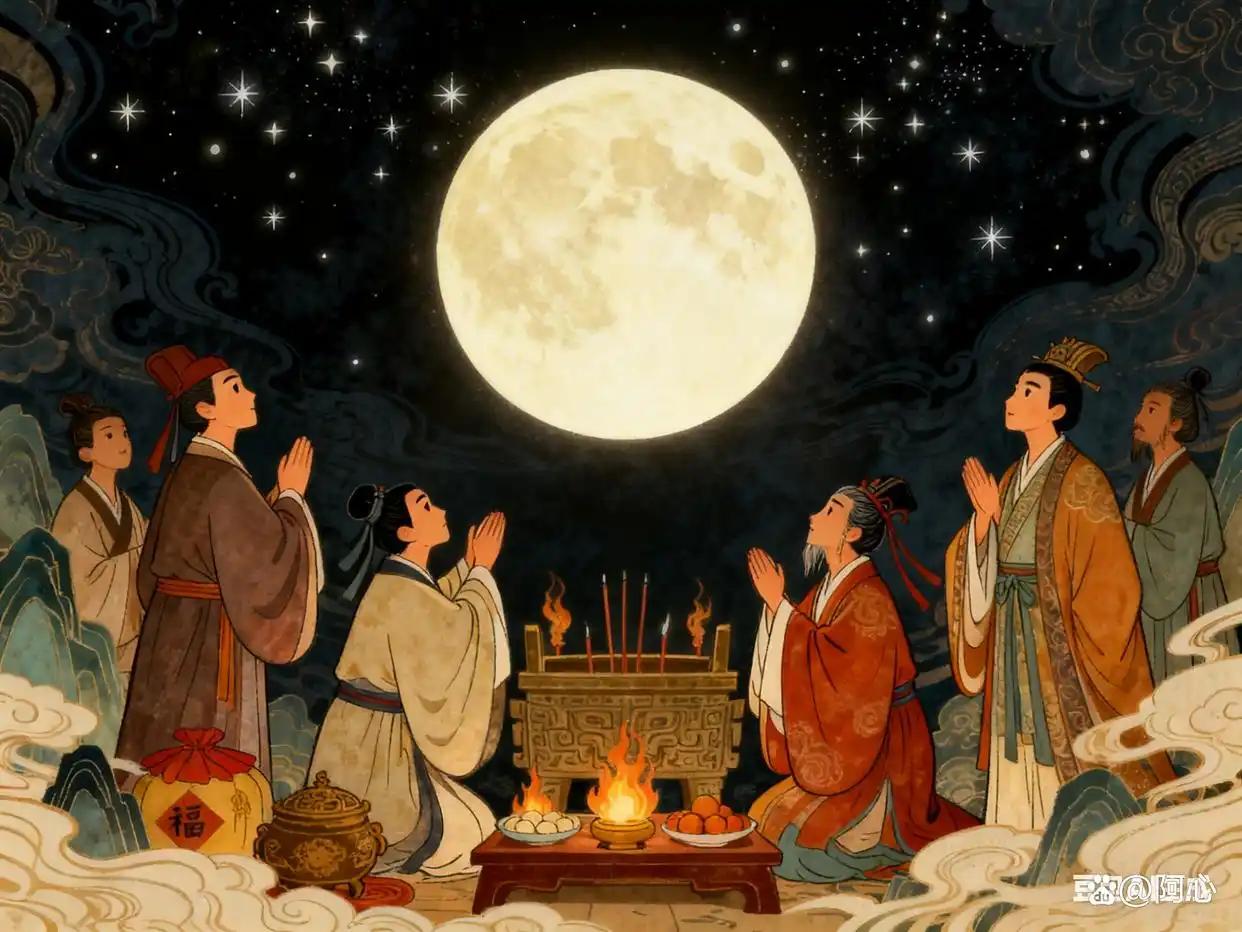
Over time, this royal ritual trickled down to the common people. What began as a sacred, imperial act evolved into a moment of quiet contemplation under the moonlight.
As the Tang Dynasty poet Zhang Jiuling wrote:
“灭烛怜光满,披衣觉露滋。”(“Extinguish the candle to admire the full moonlight; Step outside, wrapped in a robe, as dew gathers.”)
This poetic image captures the essence of early moon worship — a moment of stillness, beauty, and connection with the cosmos.
2. The Legend of Chang’e: How a Myth Gave the Festival Its Heart
No story is more central to the Mid-Autumn Festival than the Legend of Chang’e, the goddess who lives on the moon.
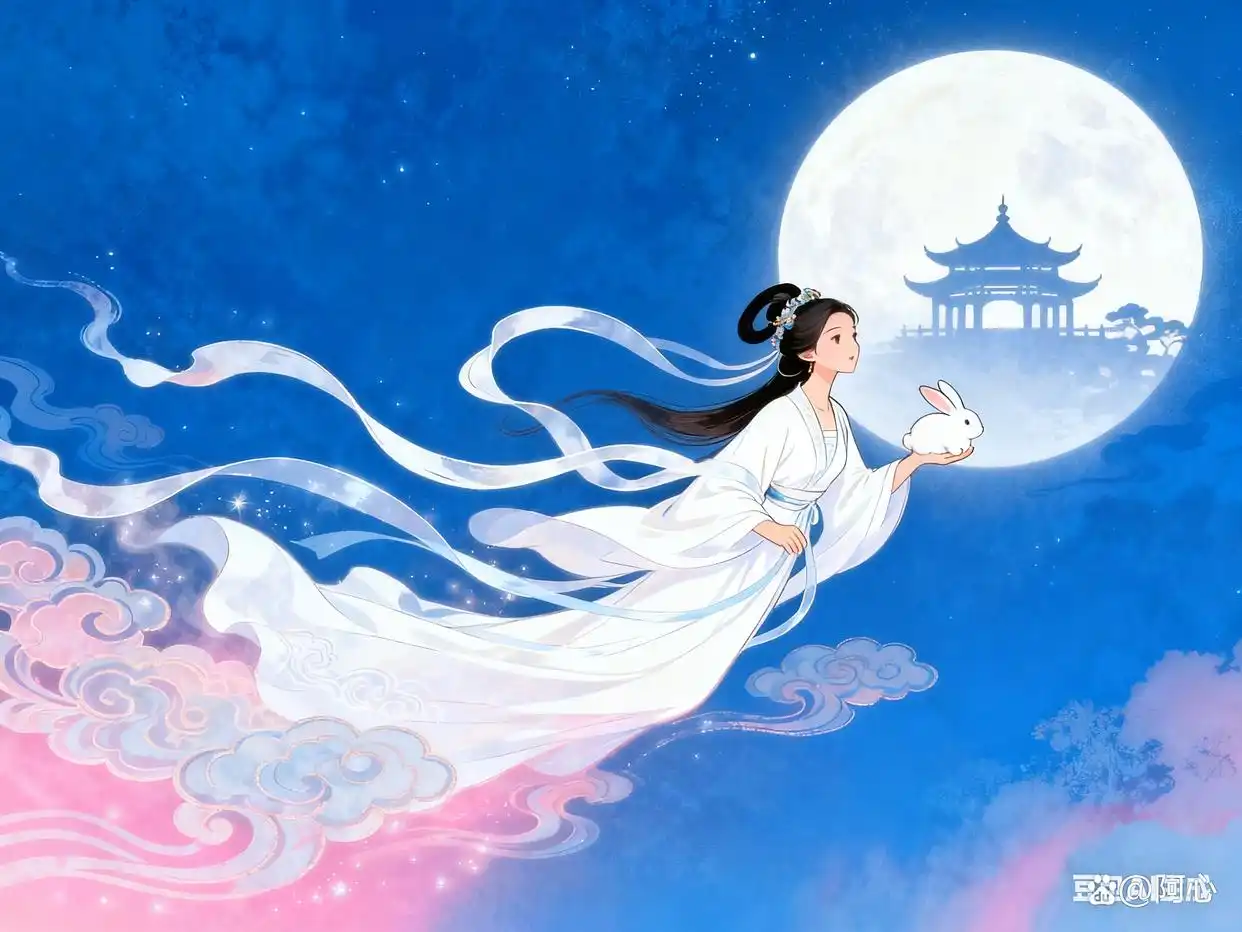
Long ago, ten suns scorched the earth. The hero Hou Yi shot down nine, saving humanity. As a reward, he received an elixir of immortality. But unwilling to leave his beloved wife Chang’e, he entrusted her with the potion.
When a greedy apprentice tried to steal it, Chang’e swallowed the elixir to protect it — and floated to the moon, where she became a goddess living in the Cold Palace.
Hou Yi, heartbroken, began offering her favorite fruits and cakes under the full moon. Touched by his love, people followed his example.
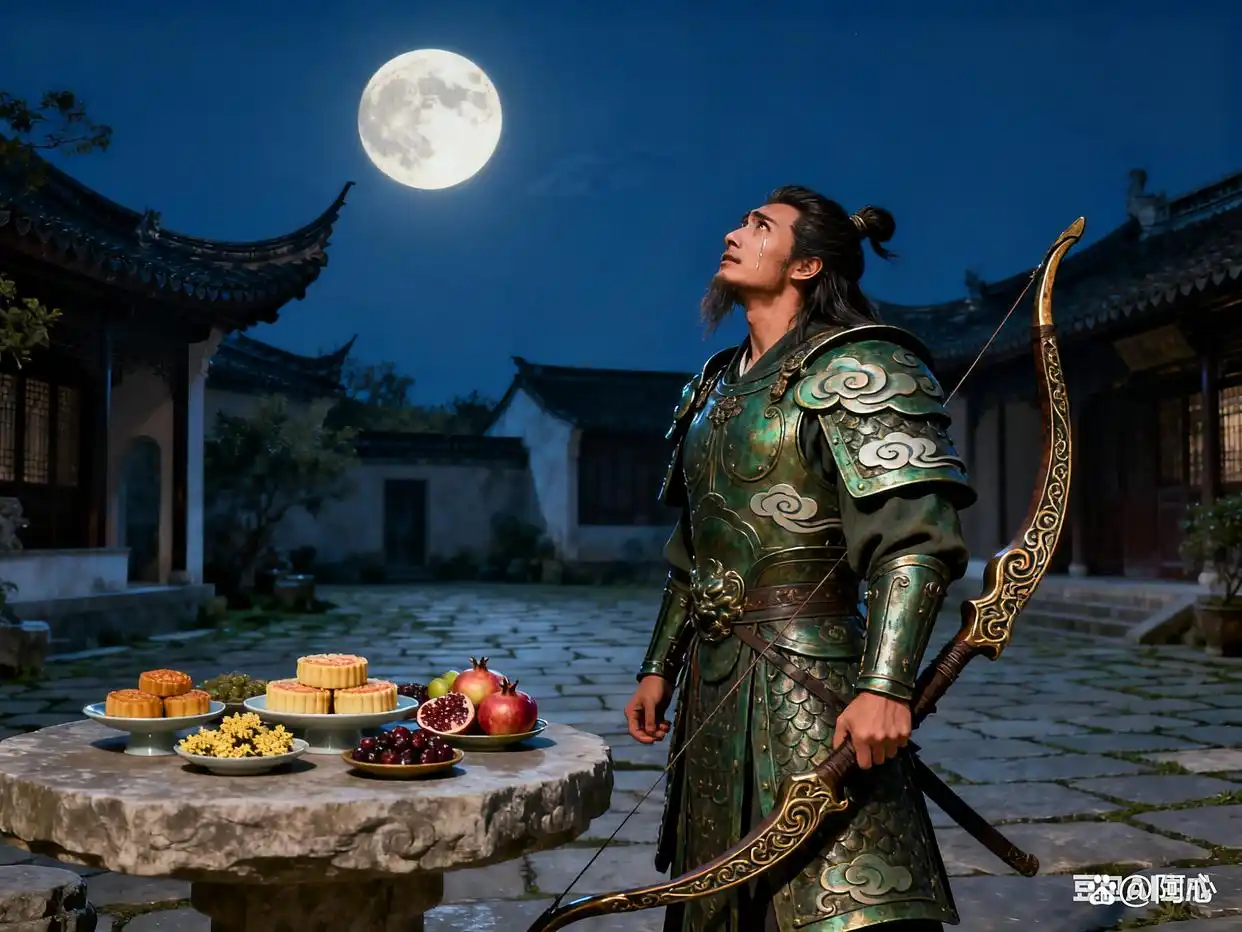
Thus began the tradition of offering mooncakes and fruits to the moon — a gesture of love, longing, and the hope for reunion.
This is why the Mid-Autumn Festival is not just about the moon — it’s about family, love, and shared memory.
As the Song Dynasty poet Su Shi wrote:
“但愿人长久,千里共婵娟。”(“May we all live long, To share the beauty of the moon, even when miles apart.”)
Here, “Chanjuan” (the beautiful moon) becomes a symbol of emotional connection — a way to feel close, even when physically apart.
3. From Court to Crowd: How the Festival Became a National Celebration
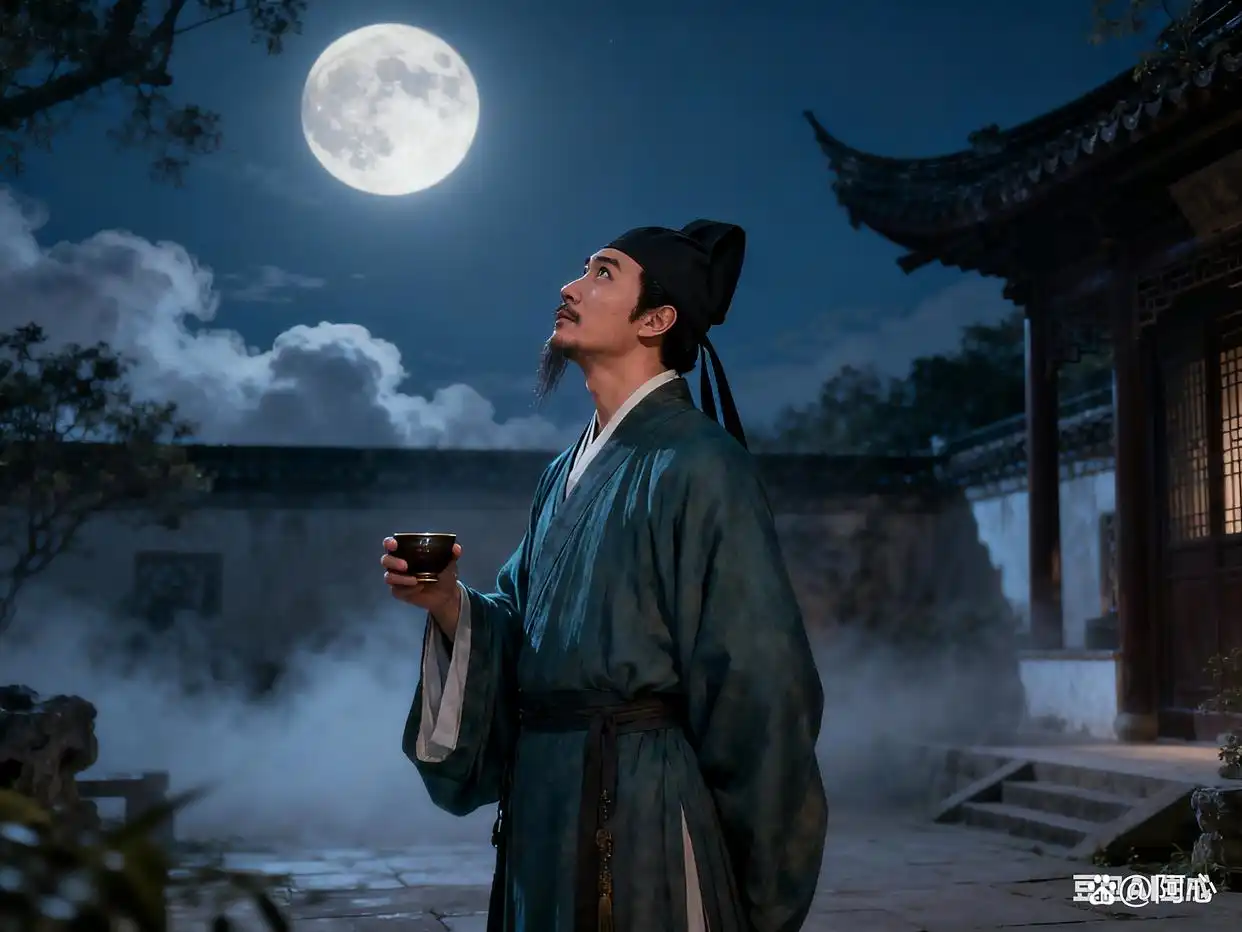
In the Tang Dynasty (618–907), poets like Li Bai and Du Fu wrote passionately about the moon, turning moon-gazing into a cultural phenomenon.
Li Bai once wrote:
“举杯邀明月,对影成三人。”(“I raise my cup to invite the moon; With my shadow, we are three.”)
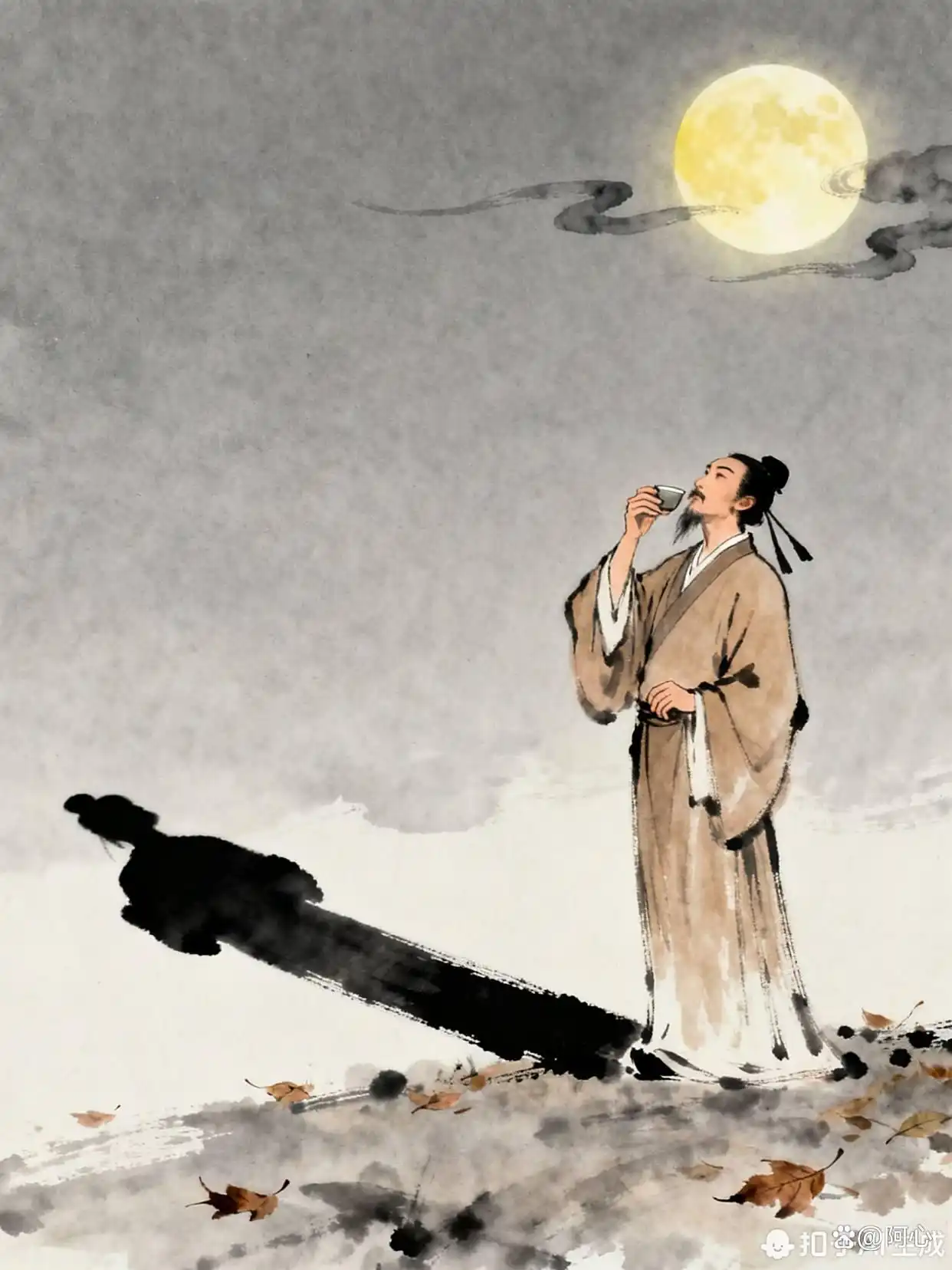
These poems helped popularize the idea of appreciating the moon not just as a ritual, but as a moment of personal reflection and joy.
By the Song Dynasty (960–1279), the festival had become a national holiday. Streets buzzed with night markets, children carried lanterns, and families gathered for feasts.
It was during this time that mooncakes — round pastries symbolizing completeness and reunion — became a staple of the festival.
As Su Shi observed:
“暮云收尽溢清寒,银汉无声转玉盘。”(“The clouds part, revealing a clear, cold light; The Milky Way is silent as the jade plate turns.”)
The moon, like a jade plate, shines brightly — a reminder to cherish the present moment.
A Living Tradition: The Mid-Autumn Festival Today
Today, the Mid-Autumn Festival is a public holiday in China and celebrated by Chinese communities worldwide. While modern life has changed how we celebrate — with digital greetings, creative mooncakes, and city skyline views — the core meaning remains unchanged:
To gather, to remember, and to feel connected — under the same moon.
It’s more than a festival. It’s a cultural code — a shared language of emotion, memory, and belonging that has been passed down for over a thousand years.
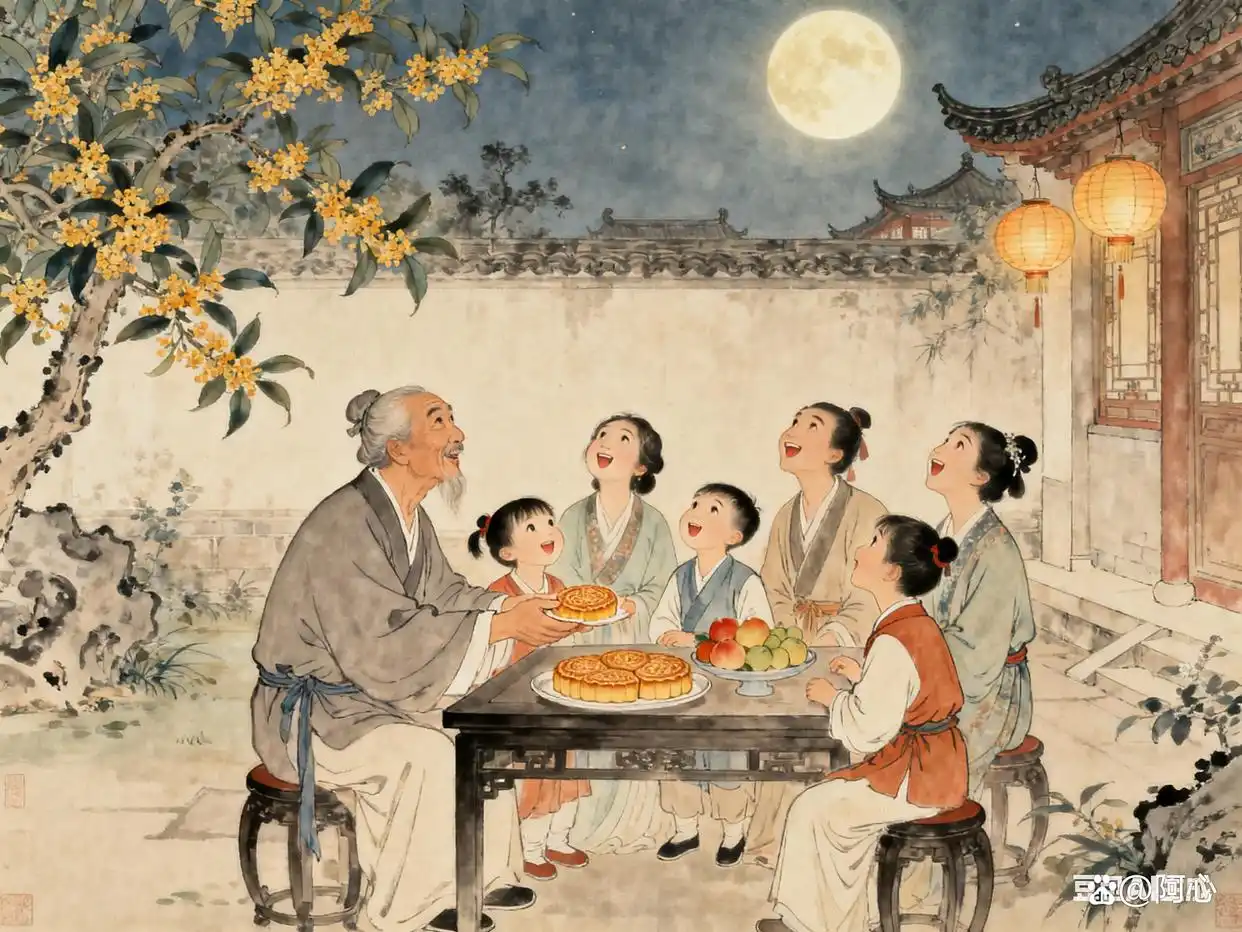
The Mid-Autumn Festival reminds us that no matter how far we travel, some things — like love, memory, and the light of the moon — always bring us back home.
In Summary: Why the Mid-Autumn Festival Matters
🌕 Rooted in Nature: It began as a tribute to the moon’s power over harvests.
🌙 Shaped by Myth: The story of Chang’e gave it emotional depth and the theme of reunion.
🏮 Celebrated by All: From emperors to commoners, it evolved into a universal celebration of family.
🥮 Symbolized by Food: Mooncakes are more than dessert — they’re edible metaphors for unity.