
Soy Sauce Isn’t Just Salt Water: How to Pick the Real Good Stuff
You grab a bottle of soy sauce at the store — it says “premium,” “natural,” or even “no additives.” Sounds healthy, right? But flip it over. The ingredient list reads like a chemistry lab inventory: disodium inosinate, hydrolyzed soy protein, sodium benzoate…
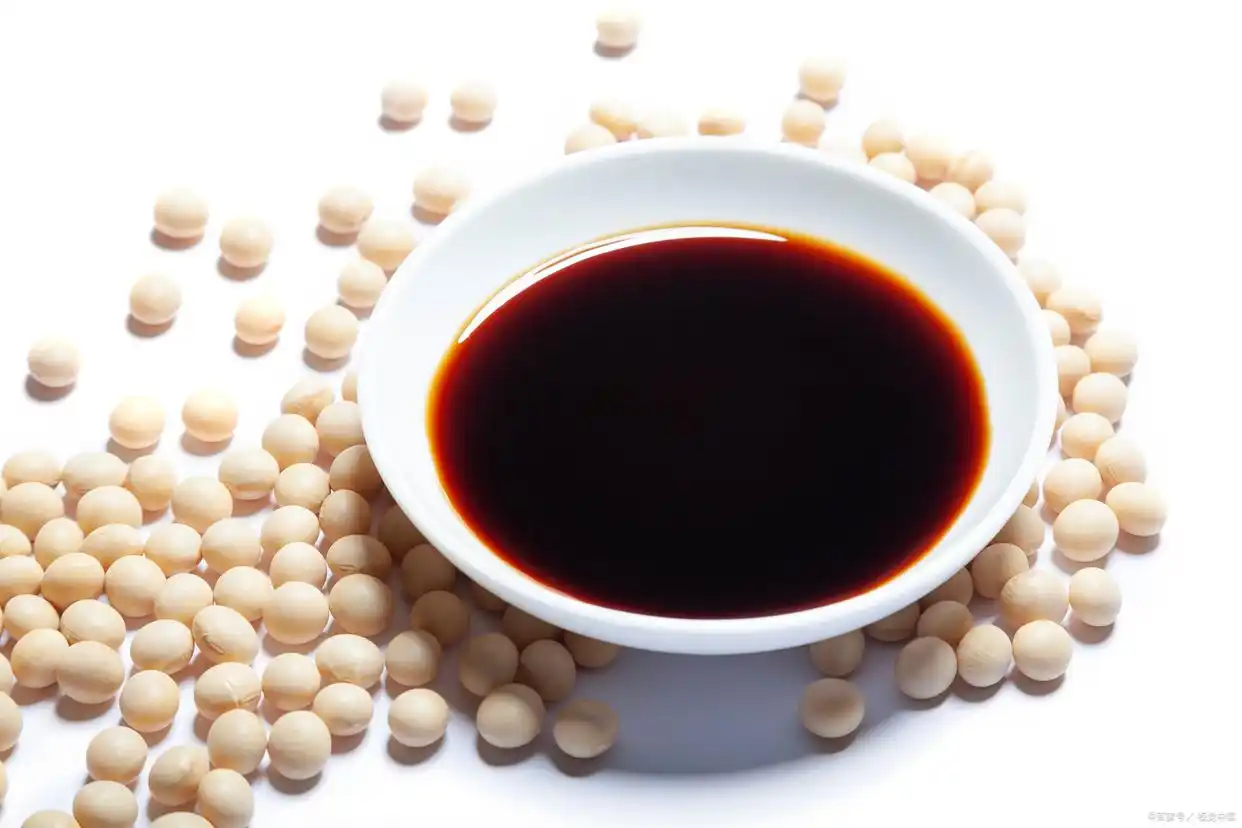
Welcome to the world of fake umami.
Not all soy sauce is created equal. Some are rich, deep, and naturally savory. Others? Just salty brown water with flavor boosters. After years of cooking, tasting, and yes — getting fooled by fancy labels — I’ve learned what actually matters when buying soy sauce. No more guessing. Here’s how to pick the real deal — fast, smart, and without spending a fortune.
Part 1: Read the Label Like a Pro
Don’t trust the front. Flip it. These 3 things tell you everything.
1. Check the Amino Acids (Amino Acid Nitrogen) — The Real Umami Meter
This number — usually listed as “amino acid nitrogen” — is your #1 clue to quality. It measures how much natural fermentation happened. More = deeper flavor.
- Special Grade (≥0.8g/100ml): Rich, complex, perfect for dipping or finishing dishes (like drizzling over steamed fish).
- Grade 1 (0.7–0.8g/100ml): Balanced, great for stir-fries and everyday cooking.
- Grade 3 (≤0.4g/100ml): Weak, salty, often used in cheap processed foods. Avoid.
- Quick test: Shake the bottle. If the bubbles are fine and last a long time, it’s a sign of high amino acid content.
2. Scan the Ingredients — Simpler Is Better
Ingredients are listed from most to least. A good soy sauce should read like a recipe, not a lab report.
✅ What to look for:
Water, non-GMO soybeans, wheat, salt, sugar
That’s it. Real food. Real fermentation.
❌ Red flags:
- Monosodium glutamate (MSG) or disodium inosinate → artificial flavor boosters
- Sodium benzoate → preservative (common, but avoid if possible)
- Hydrolyzed plant protein → cheap flavor substitute, not real fermentation
👉 Look for “brewed soy sauce” (GB/T 18186) — this means it’s traditionally fermented.
Avoid “blended soy sauce” (SB/T 10336) — often mixed with chemically broken-down proteins.
3. Watch the Sodium (Salt) Level — Hidden Salt Trap
One tablespoon (15ml) of regular soy sauce can have over 1,000mg of sodium — that’s half your daily limit!
- Regular light soy: ~1500–1800mg/100ml — use sparingly
- Low-sodium soy: ≤1200mg/100ml — better for kids, elders, or heart-healthy diets
Tip: If you’re cooking for kids, skip “kids’ soy sauce” — it’s often just marketing. Just pick a low-sodium, brewed light soy sauce. Same quality, half the price.
Part 2: Match the Sauce to the Dish
Using the wrong soy sauce is like using balsamic vinegar in a stir-fry — it just doesn’t work.
🧂 Light Soy Sauce (Sheng Chou) — For Flavor
- Color: Light reddish-brown
- Taste: Salty, savory, slightly sweet
- Use for: Stir-fries, marinades, dipping, cold dishes
🖤 Dark Soy Sauce (Lao Chou) — For Color
- Color: Deep black-brown (thanks to added caramel)
- Taste: Less salty, slightly sweet, thicker texture
- Use for: Braising, red-cooked dishes, stews (like red-braised pork)
🚫 Never use dark soy for dipping or cold dishes — it’ll make your food look like motor oil.
So, What’s a Reliable Brand? Try Lee Kum Kee Light Soy Sauce
After trying countless bottles — from fancy “artisan” brands to supermarket generics — I keep coming back to one: Lee Kum Kee.

Now, Pair It with the Right Dark Soy: Lee Kum Kee Dark Soy Sauce
Think of them like salt and pepper: one brings taste, the other brings look.

Recommend one more low-sodium soy sauce. 365 Organic Shoyu Soy Sauce

The Bottom Line
Don’t buy soy sauce by the label. Buy it by the ingredient list, the amino acid level, and the use case.