
Vinegar: More Than Sour — A Taste of Eastern Wisdom
In a Western kitchen, a bottle of red wine or apple cider vinegar might sit quietly on the counter. But in the East, especially in China, vinegar has long transcended its role as a condiment — it is history, philosophy, and even medicine.
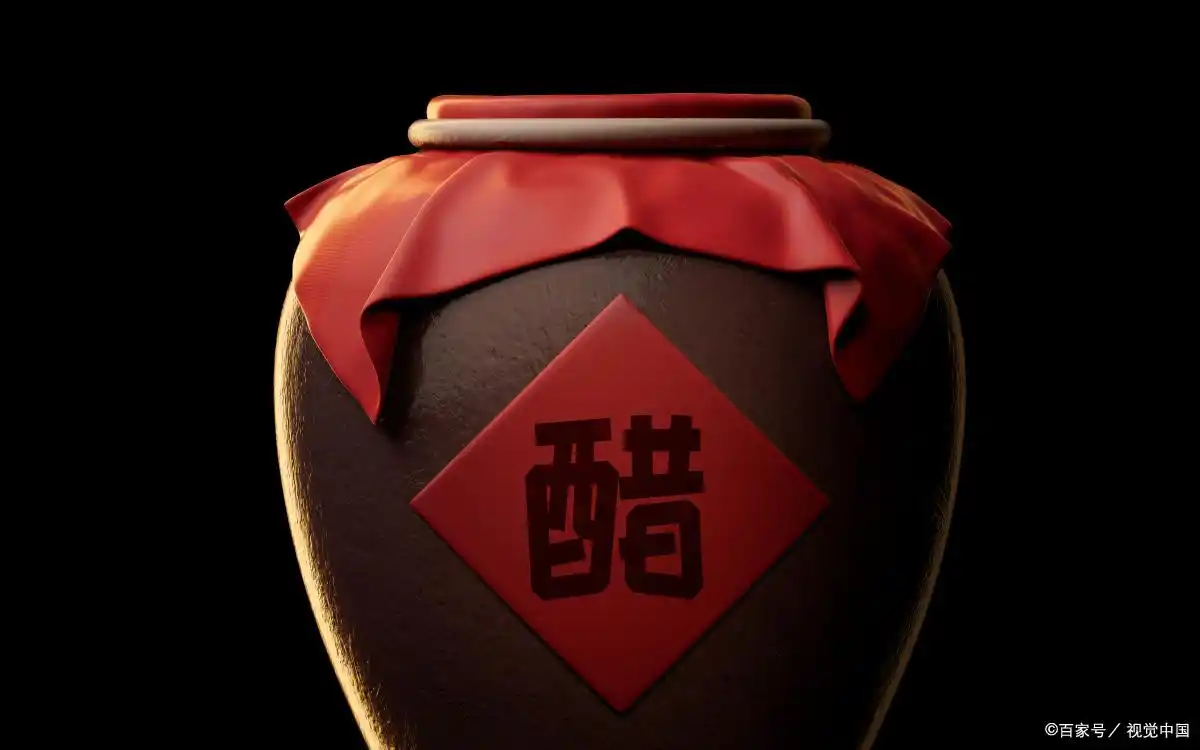
My first real encounter with vinegar happened in a small courtyard in Shanxi. An elderly artisan lifted the seal from a clay jar, and a deep, mellow sourness slowly filled the air — not sharp, but profound, reaching straight into the soul. He said, “This vinegar has been sleeping for five years.” In that moment, I realized: vinegar isn’t made. It’s raised.
An Accidental Invention
Legend has it that over three thousand years ago, during the Shang Dynasty, Hei Ta, son of the legendary brewer Du Kang, discovered a vat of wine had turned sour. He was about to discard it when a mysterious old man stopped him: “This is a nectar of flavor. Wait twenty-one days, then taste it at the hour of You (5–7 PM).”
On the twenty-first evening, he opened the jar and took a sip — sour yet slightly sweet, fragrant and complex. He named this liquid “cu” (vinegar), combining the characters for “twenty-one” (廿一), “day” (日), and “hour of You” (酉).
Perhaps this was humanity’s earliest “failed innovation” — a fermentation “mistake” that gave birth to a flavor that would endure for millennia.
Traditional Brewing: The Art of Time
The ancient Chinese brewed vinegar from grains, using methods that seem simple but are deeply sophisticated. They used rice, sorghum, or glutinous rice, steamed it, mixed in “qu” — a natural fermenting agent rich in microbes — then sealed it in clay jars, waiting for time to work its magic.
First, yeast and bacteria turn starch into alcohol.
Then, acetic acid bacteria slowly convert that alcohol into acetic acid — the essence of sourness.
The process could take months, even years. Temperature, humidity, air, the breath of the clay — nothing could be precisely controlled by instruments. It relied on experience, intuition. This wasn’t industrial production. It was a kind of practice.
Four Famous Vinegars, Four Ways of Life
In China, vinegar is not one flavor. The “Four Great Vinegars” each have their own soul:
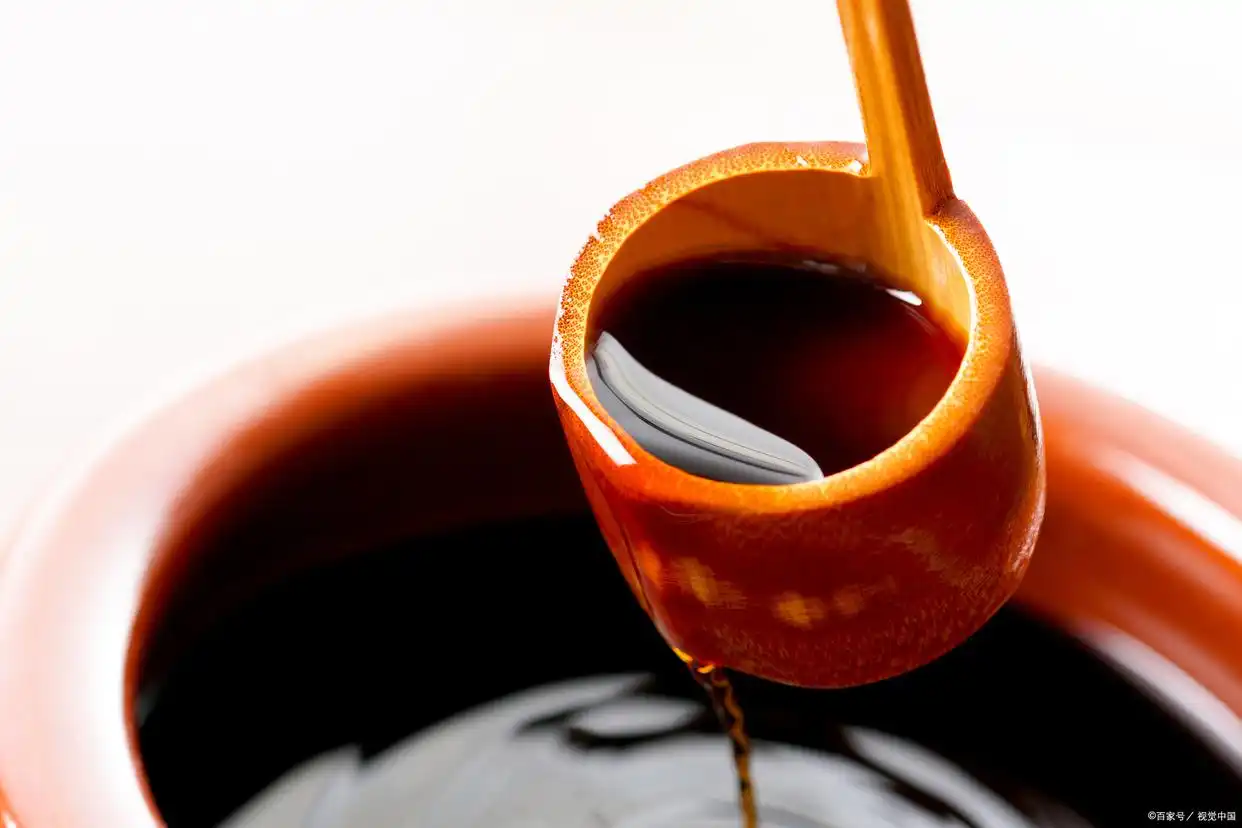
Made from sorghum, aged for years. Dark as jade, rich as aged tea — bold, deep, with a lingering sweetness. Perfect for stews, and for quiet reflection.

Deep, rich, and complex — like balsamic vinegar meets aged soy sauce. It has a bold, malty sourness with hints of wood, tobacco, and a subtle sweetness that lingers on the palate. Less sharp than Western vinegars, it’s mellow and full-bodied, almost like a well-aged red wine.
Best for: Braises, dumpling dips, or drizzling over roasted vegetables for depth.
Zhenjiang Aromatic Vinegar(镇江香醋)
Fermented slowly from glutinous rice at low temperatures. Fragrant, slightly sweet, delicate. The classic dip for crab in Jiangnan — a symbol of refined living.

Delicate and fragrant, with a balanced sweet-sour profile. Made from glutinous rice, it’s lightly acidic with a soft, rounded finish and subtle fruity notes — like a cross between rice vinegar and a fine sherry.
Best for: Dipping steamed crab, tossing into cold noodles, or as a base for dipping sauces.
A Fujian specialty, made with sesame and herbs. Sour with a fragrant kick, crisp and clean. Locals say: “Three drops on your noodles, and you’ll never feel tired.”

Bold and aromatic, with a clean, sharp acidity balanced by a lingering sweetness. Infused with sesame and herbal notes, it has a bright, refreshing character — slightly nutty, slightly medicinal, in the best way.
Best for: Tossing with noodles, drizzling over soups, or adding a kick to salad dressings.
From Langzhong, Sichuan, made from bran with herbal qu. Sweet-sour balance, long finish — cuts grease, warms the heart.

Smooth and balanced, with a sweet-sour harmony and a warm, herbal complexity. Made with bran and traditional Chinese medicinal herbs, it has a gentle acidity and a soothing finish — perfect for cutting through rich, oily dishes.
Best for: Dipping dumplings, balancing spicy Sichuan dishes, or adding depth to hot pot sauces.
Vinegar, More Than Flavor
In Chinese culture, vinegar has long been a metaphor.“To eat vinegar” means to be jealous — because the sourness mirrors the bitterness of love. “To drink three dou of vinegar, then you can be a prime minister” — meaning, one must endure great bitterness to achieve greatness. And a “cuisine-style” dish — sharp and sour on the outside, tender within — much like life: bold on the surface, soft at heart.
Closing: The Wisdom of Slowness
In an age that values speed, we’ve grown used to instant, soluble, immediate. But vinegar reminds us: some flavors must wait; some wisdom can only be earned through time.
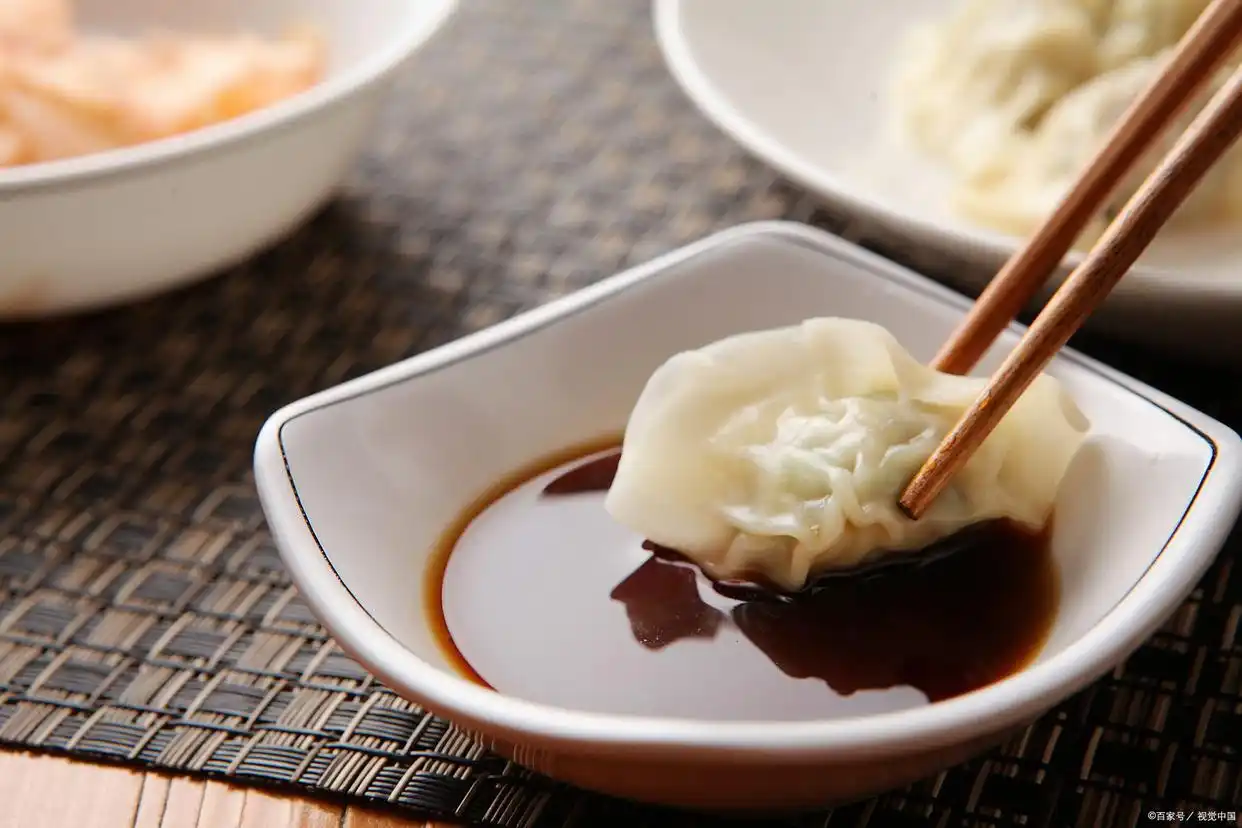
Next time you drizzle vinegar over dumplings, remember — what you taste is not just sourness. It’s three thousand years of fermentation, the breath of the artisan, the patience of the East.