
Salt: The Forgotten White Gold
On the dining table, the salt shaker sits quietly. It doesn’t boast like pepper, nor perfume the air like herbs. White, silent, nearly invisible. And yet — without it, the world would lose its flavor.
We use salt every day, but rarely ask: Where does it come from?
The Gift of the Sea: An Ancient Alchemy of Sun and Wind
Long before humans existed, the oceans were already rich with dissolved minerals. When sunlight bakes the surface, water evaporates — but salt stays behind. Day after day, the seawater concentrates, the brine thickens. Eventually, sodium chloride — the salt we know — begins to crystallize, forming a delicate white crust across the shallow pools.
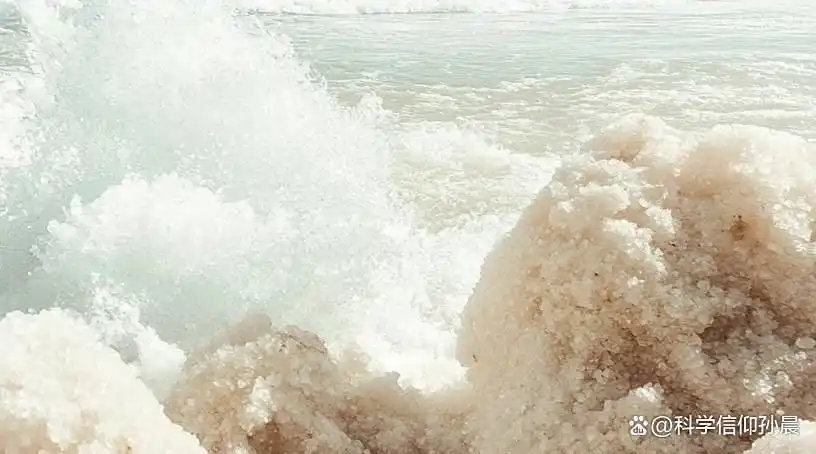
This is sea salt. The most ancient. The most poetic.
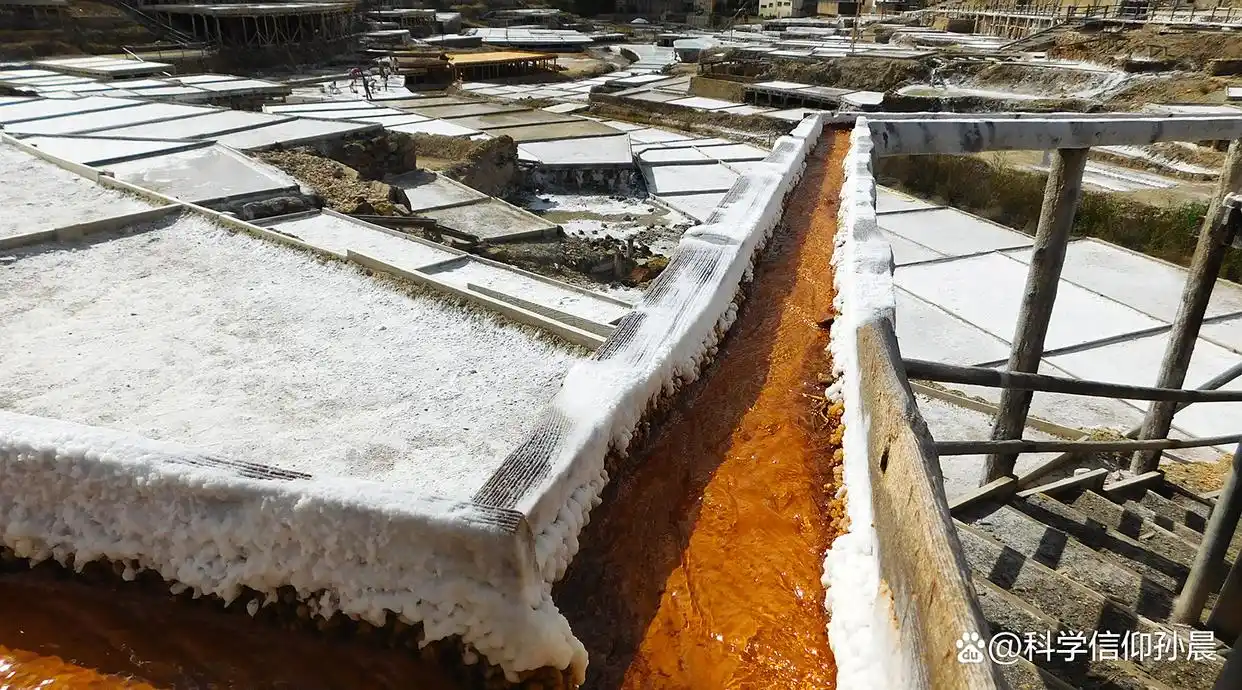
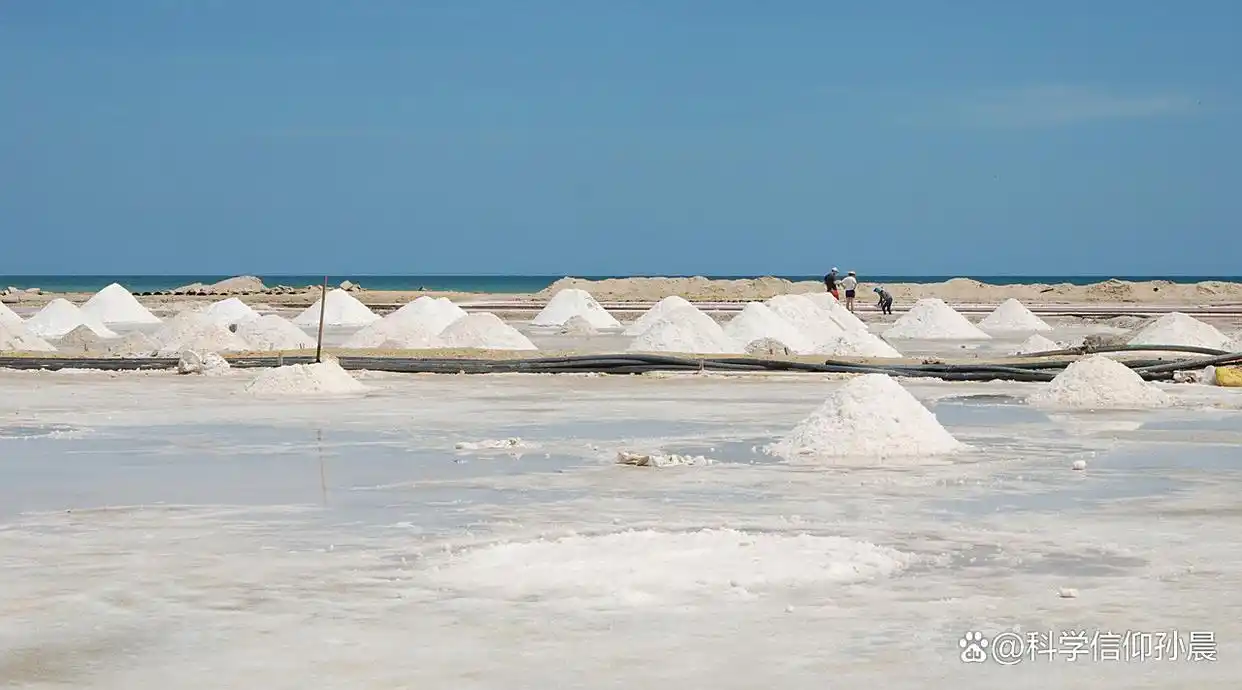
Today, this natural process is still replicated on coastal flats. Tiered salt pans stretch like mirrors under the sun, guiding seawater through a slow journey. In primary evaporation ponds, water gradually vanishes. When the brine reaches saturation, it flows into crystallization pools. There, salt crystals form like snowflakes, settling gently. Impurities remain in the mother liquor. The salt is gently raked, dried, and harvested.
This isn’t industry — it’s a dance with nature. Each grain holds the sun, the wind, and time.
The Earth’s Legacy: Rock Salt Buried for Eons
But salt is not only born of the sea.
In ancient times, vast inland seas or lakes were cut off by geological shifts. Water evaporated, salt accumulated, layer upon layer. Tectonic forces buried these deposits deep underground, compressing them over millions of years into solid rock salt formations. In Zigong, Sichuan, ancient salt wells were drilled over a kilometer deep to extract brine. Today, there are two main methods:
Dry mining — miners go underground, blasting and digging like coal.
Solution mining — water is injected into salt beds, dissolving the salt, then pumped back up as brine, ready for evaporation.
These salt beds are love letters from an ancient ocean. What we eat is the memory of the Earth.
The Genius of Industry: Crystallization in a Vacuum
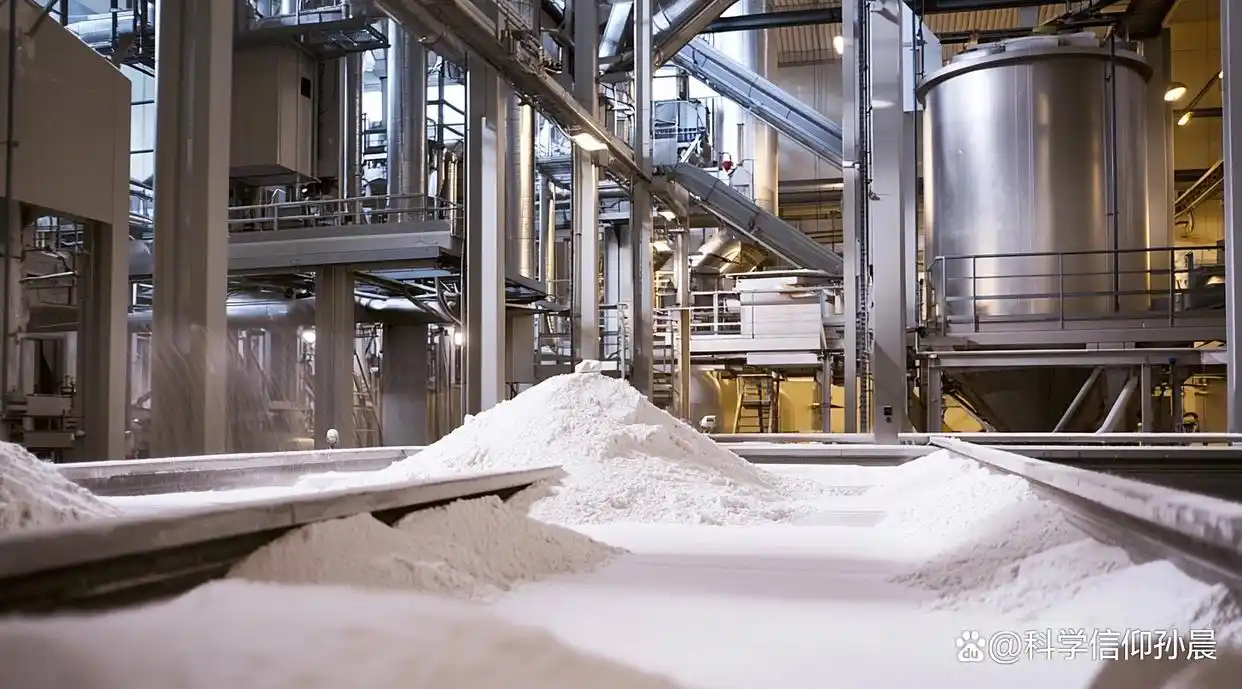
As cities grew and populations exploded, traditional sun-drying couldn’t keep up. So, vacuum evaporation became the modern standard. The principle is simple: under low pressure, water boils at a lower temperature. Purified brine is pumped into sealed evaporators, vacuumed, and heated. The water evaporates quickly, and salt crystallizes. It’s incredibly efficient — a single unit can produce over 800 tons of salt per day. Fine, uniform crystals. High purity. Lower energy use.
Modern salt plants are no longer pastoral. They’re industrial symphonies. Yet their origin remains that ancient sea.
Salt and Civilization: Power, Wealth, and Survival
Salt has never been just a condiment. It has been currency, power, and lifeline.
Roman soldiers were once paid in salt. The English word “salary” comes from the Latin “salarium” — literally, “money for salt.”
In China, during the Spring and Autumn period, statesman Guan Zhong introduced “state control of mountains and seas,” monopolizing salt and iron. From then on, salt taxes became the financial backbone of empires for over a thousand years. In the Tang Dynasty, oppressive salt taxes sparked uprisings — Huang Chao and Wang Xianzhi, both salt smugglers, rose to challenge the throne. The flow of salt traces the line between power and people. Whoever controls salt, controls the people’s survival.
Salt Today: More Than Just the Table
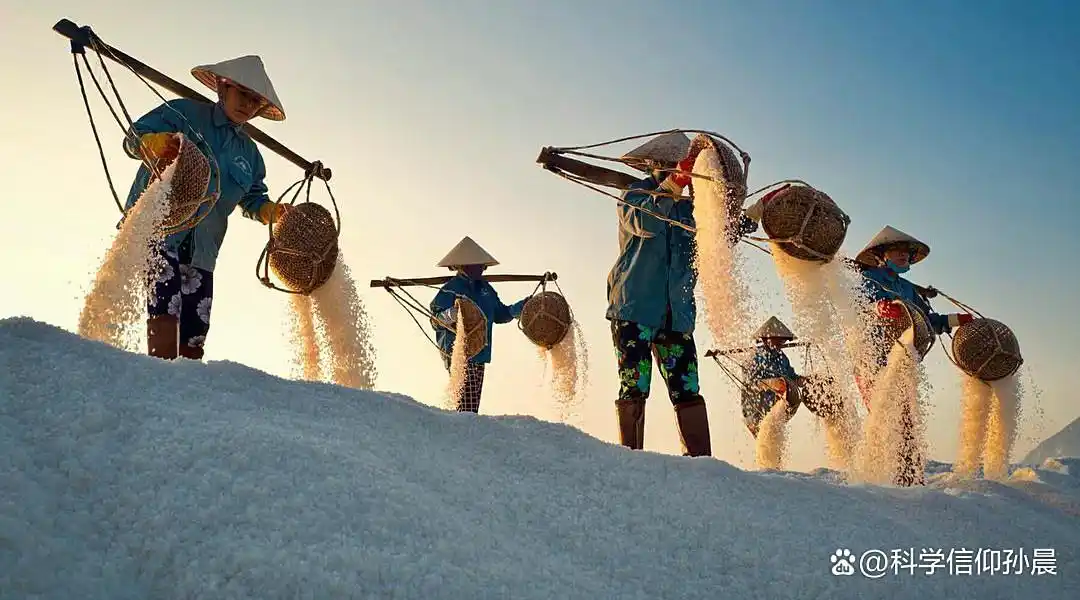
Today, China is the world’s largest salt producer, yielding over ten million tons annually. Sea salt makes up about 25%, well salt 43%, with the rest from lakes and vacuum evaporation. But salt’s role has long outgrown the kitchen. It’s used to make chlorine, plastics, glass. In dyeing, tanning, and water treatment. Sprinkled on icy roads in winter. And yes — in new energy batteries, ultra-pure salt is a crucial component.
Closing: The Extraordinary in the Ordinary
Salt is the most ordinary miracle. Born from ancient seas, shaped by sun, earth, and machine. It sustains life, builds civilizations, powers the modern world.
Next time you reach for the salt, remember — what you hold is more than a condiment. It’s the breath of the Earth. The crystal of history. White gold.
Want to Taste the Difference a Real Salt Can Make?
If this journey through salt’s history and hidden depth has sparked your curiosity —
try it for yourself.
We recommend Baja Gold Mineral Sea Salt — a naturally harvested sea salt from the pristine coast of Baja California, Mexico. Unrefined, non-iodized, and free from additives or anti-caking agents, it’s as close to salt in its pure, elemental form as you can find today.
