
The 10 Essential Spices of Chinese Cooking
In Western kitchens, rosemary and thyme are staples. But in a Chinese wok, flavor is built differently — with star anise, Sichuan pepper, cassia bark, fennel seeds…
These aren’t just “spices.” They’re architects of aroma, removing off-notes, enhancing depth, and balancing the five tastes.
You’ve probably smelled that addictive numbing aroma in Sichuan hot pot, or tasted the warm, sweet depth in a braised pork belly. Behind these flavors lies a thousand-year-old spice wisdom — one that shapes Chinese cuisine at its core.
Today, we pull back the curtain on ten essential Chinese spices.Not a textbook. Not a recipe. But a journey — into the aromatic soul of Chinese cooking.
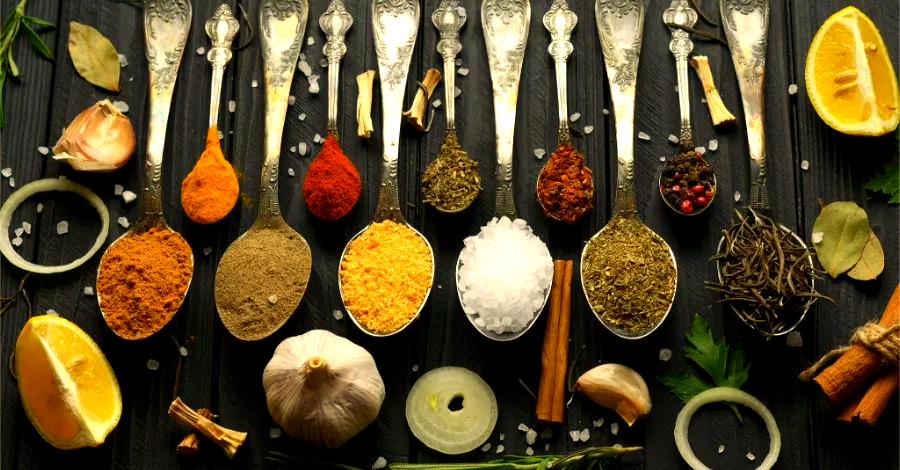
1.Fennel Seeds / 小茴香
Aromatic & Deodorizing · Like a Spring Breeze
Fennel seeds are the quiet backbone of a good braising liquid. They don’t shout, but they make the whole pot feel complete. A few grams in a stew or fish braise — and the fishy odor fades, replaced by a gentle sweetness and herbal warmth.
Use it in: Braised beef, fish soup, Chinese spiced eggs.

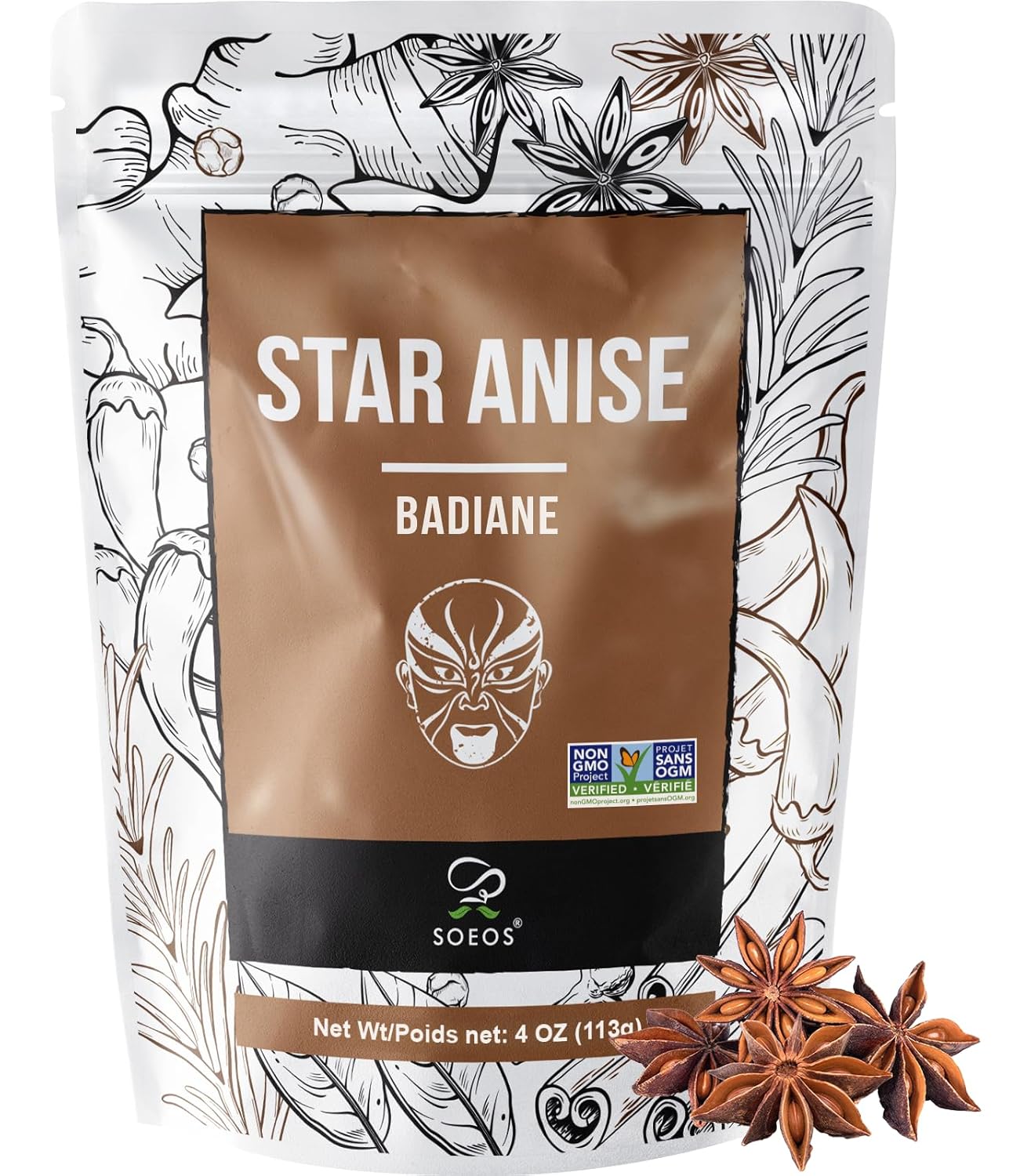
2.Star Anise / 八角
The King of Aroma · One Pod, Total Control
Star anise, with its iconic eight-pointed star, is the most recognizable face of Chinese spices. Its shape hints at its role: central, commanding, essential. Braised meats, master stocks, five-spice powder — without it, it’s not Chinese.
Use it in: Red-braised pork, pho broth, curry sauces.
3. Cassia Bark / 桂皮
Sweet with a Kick · Warmth with Fire
Don’t confuse this with Western cinnamon. Chinese cassia bark is thicker, stronger, bolder — sweet, yes, but with a spicy kick, like a shot of whiskey on a cold night. Toss a piece into a stew, and the kitchen comes alive.
Use it in: Braised dishes, slow-cooked stews, spiced broths.

4. Sichuan Peppercorns / 花椒
Numbing, Not Spicy · A Flavor Illusion
Here’s the magic of Chinese spice: numbness (má). Sichuan peppercorns aren’t hot — they’re tingly, like tiny electric pulses on your tongue. They’re the soul of Sichuan cuisine, the heartbeat of mapo tofu.
Use it in: Mapo tofu, dry pot, chili oil, Sichuan dry rubs.

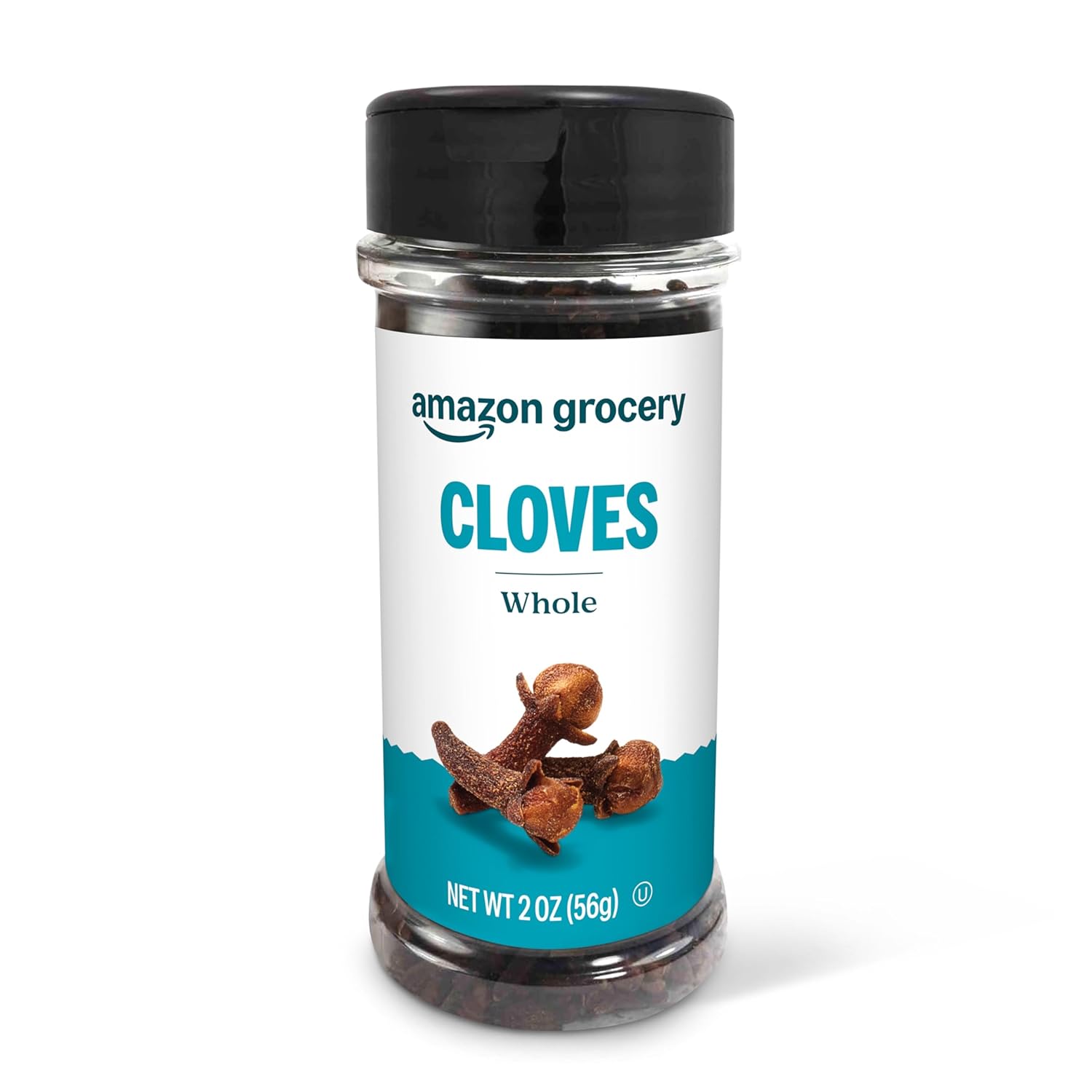
5. Cloves / 丁香
Pungent & Precise · The Final Stroke
Cloves are sharp, intense — like a needle in the spice drawer. Too much, and they dominate. Just right, and they make the dish memorable. A few in a master stock, and suddenly, the broth has depth.
Use it in: Braised meats, spiced rice, holiday stews.
6. Bay Leaves / 香叶
The Quiet Guardian · Breath of the Laurel
Bay leaves — often mistaken as mere garnish — are the quiet guardians of savory dishes. They don’t shout, but they clean up the meaty odors, leaving a pure, rich depth. One leaf in a stew, and the meat tastes cleaner.
Use it in: Beef stew, braised pork, lentil soup.

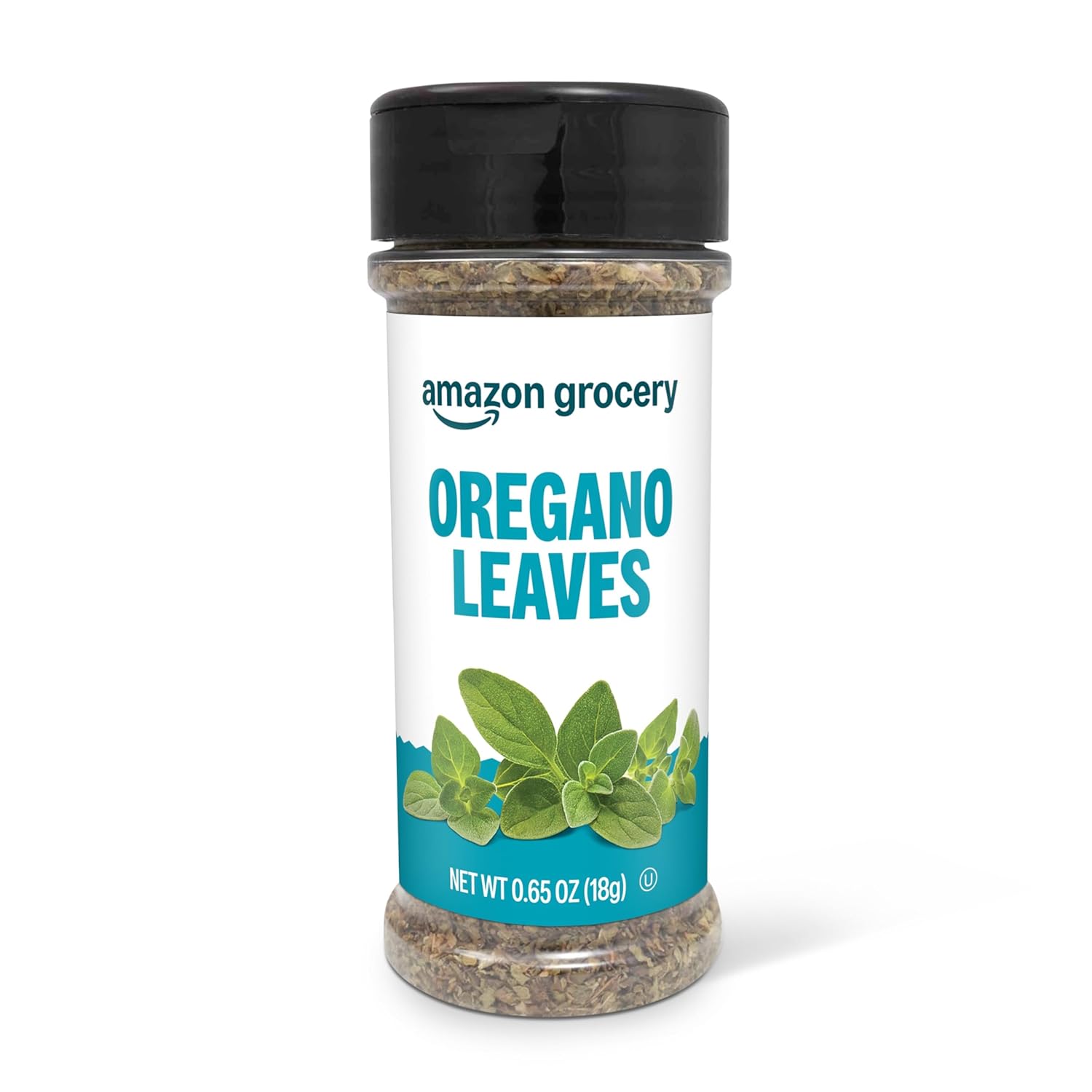
7. Thyme / 百里香
Western Herb, Chinese Touch
Yes, thyme is European — but it’s found a home in Chinese kitchens. Rub it on chicken before roasting, and the aroma deepens, becomes more layered. It’s a quiet fusion — East meets West, on the spice rack.
Use it in: Roast chicken, grilled fish, herbal marinades.
8. Cumin / 孜然
The Soul of the Grill · Night Market Smoke
Without cumin, there is no Chinese barbecue. That bold, smoky, addictive flavor? It’s cumin and chili, dancing on the skewer. Street-side lamb kebabs, spicy hot pot — it’s what makes you crave more.
Use it in: Lamb skewers, dry pot, cumin chicken, spice rubs.

9. Licorice Root / 甘草
Sweet Harmony · The Flavor Mediator
Licorice root is rarely seen, but often tasted. In braising liquids and herbal broths, it adds a subtle sweetness that balances heat and bitterness. It’s the sound engineer of the spice world — making everything play in harmony.
Use it in: Master stocks, herbal teas, medicinal soups.

10.The Hidden Quartet: Flavor’s Secret Agents
These spices are unknown in the West — but they’re the secret code behind Chinese master stocks and hot pot.
- Dahurian Angelica Root / 白芷
Removes fishy and gamey odors — a clean-up crew for strong meats.
- Cardamom-like Seed / 草蔻
Essential in hot pot — cuts through greasiness, adds complexity.
- Amomum Seed / 砂仁
Aids digestion, adds warmth — perfect for heavy dishes.
- Sand Ginger / 山奈
Like ginger’s bolder cousin — adds punch to seafood and braises.
They never steal the spotlight — but they make every bite meaningful.
Closing: Spices Are the Fingerprint of Culture
These spices are more than seasonings. They’re the DNA of the Chinese kitchen, passed down through generations.