
The Wok: A Journey from Ancient Forge to Modern Kitchen
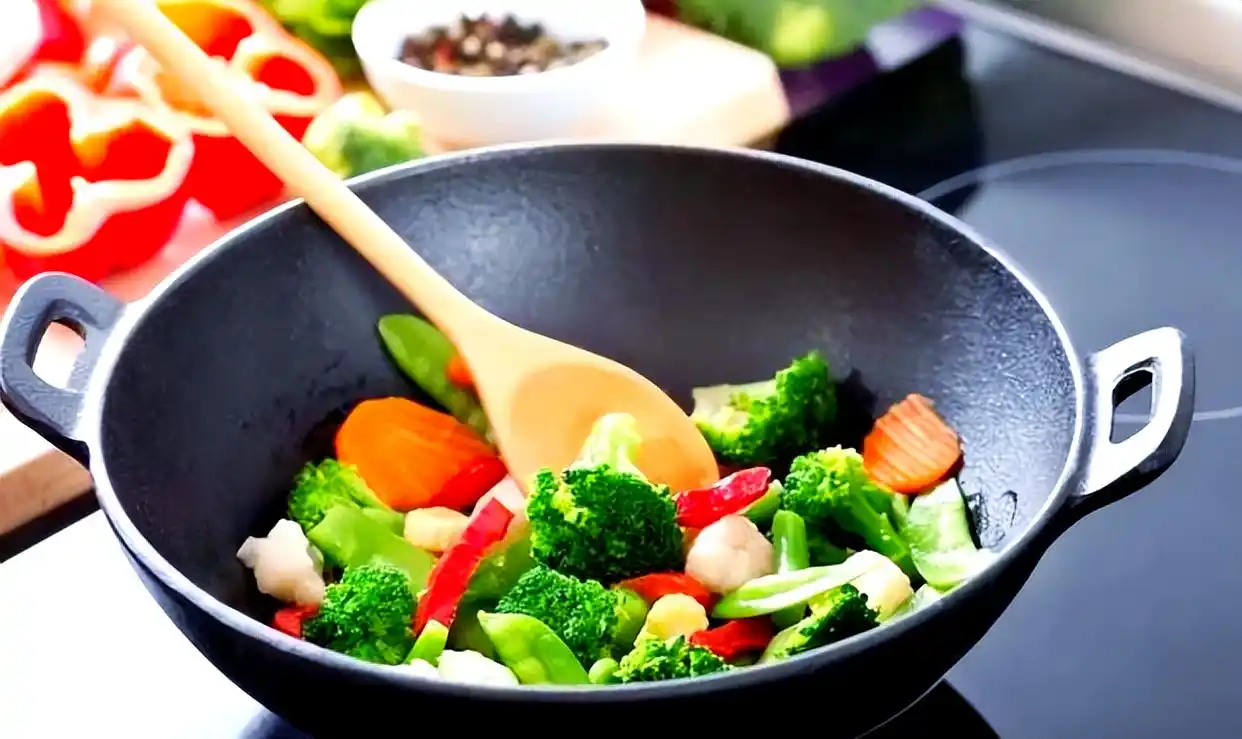
In the heart of every traditional Chinese kitchen, there is a tool that transcends mere utility — the wok. More than a vessel for cooking, it is a symbol of continuity, shaped by centuries of fire, craftsmanship, and culinary wisdom. Its story begins not in a modern factory, but in the furnaces of ancient China, where iron was first forged into tools of survival and sustenance.
1. The Birth of Iron Cookware
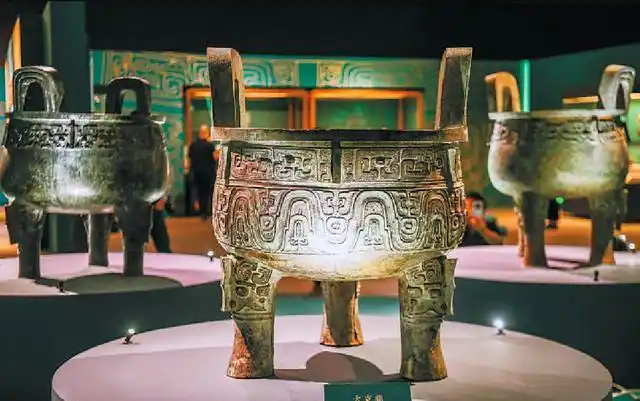
Iron’s role in Chinese society dates back over two millennia. While bronze dominated elite rituals, iron was the metal of the people — used for plows, hoes, and, eventually, pots. Historical texts like the Guoyu (Discourses of the States) mention iron tools such as chú, yí, and jīn — implements for agriculture. By the Han Dynasty, iron production had expanded, and its use in daily life deepened. The earliest woks emerged from this era — simple, rounded vessels cast from molten iron. These early designs were not made for precision, but for resilience. Over time, two distinct types of iron woks evolved, each suited to different needs: cast iron and wrought iron (carbon steel).
2. Cast Iron vs. Carbon Steel: Two Paths, One Purpose
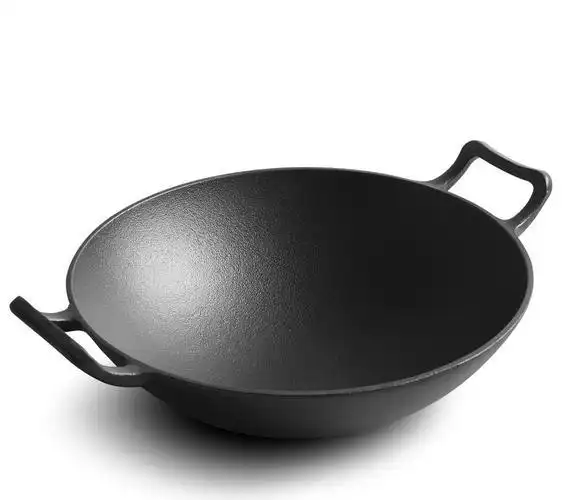
Though both are made of iron, their structure and performance differ significantly.
Cast Iron (Shengtie): Thick, heavy, and slow to heat, cast iron excels in heat retention. Once hot, it radiates warmth evenly, making it ideal for slow-cooking, frying, or searing. Its porous surface, formed during casting, requires seasoning to develop a natural non-stick layer — a process that demands patience and care.
Carbon Steel (Jingtie): Thinner and lighter, carbon steel heats quickly and responds rapidly to flame changes. Favored by professional stir-fry chefs, it allows for agile tossing and high-heat cooking. With regular use and proper maintenance, it develops a smooth, dark patina that enhances performance over time.
Both types reflect a philosophy: cooking tools are not disposable, but enduring — shaped by use, refined by time.
3. The Ritual of Care: Why Iron Demands Respect
Iron cookware is not low-maintenance. It requires ritual — a daily dialogue between cook and tool.
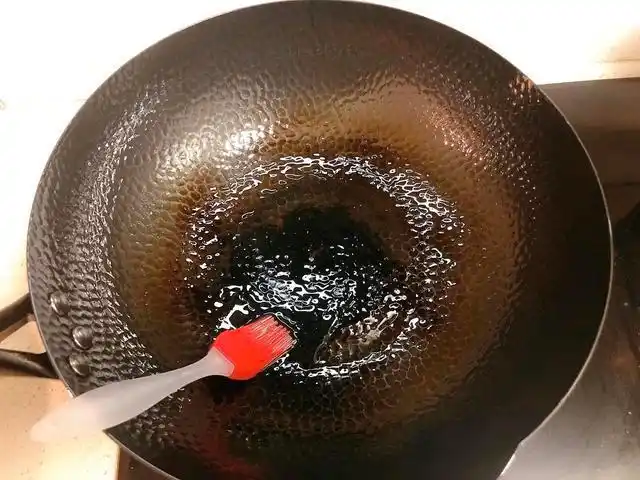
Acidic ingredients — tomatoes, vinegar, citrus — can react with bare iron, leading to off-flavors or discoloration. Long simmering of certain foods, like mung beans, can result in darkened liquids due to tannin-iron reactions. After use, the wok must be cleaned gently, dried thoroughly, and lightly oiled to prevent rust. This routine is not a burden — it is part of the craft. In this care lies a deeper truth: the wok is not just a tool, but a living surface that evolves with every meal.
4. The Non-Stick Revolution: Convenience and Its Costs
The 20th century brought a new kind of wok — one coated in synthetic materials like Teflon or ceramic. These non-stick variants promised simplicity: less oil, no sticking, easy cleanup. They appealed to modern kitchens where speed and convenience often take precedence. Yet, they come with limitations.
- High heat can degrade Teflon coatings, releasing harmful fumes above 260°C.
- Metal utensils can scratch the surface, shortening the pan’s lifespan.
- Unlike iron, they do not develop a patina. They wear out, not in, and must eventually be replaced.
For all their ease, they lack the depth of character that comes from years of use.
5. Bridging Eras: When Tradition Meets Innovation
Today, the wok exists at a crossroads. In professional kitchens across Asia, carbon steel woks still reign — tossed over roaring flames in a dance of fire and motion. In Western homes, hybrid designs are gaining ground — woks with carbon steel cooking surfaces fused to aluminum cores for faster, more even heating, or induction-compatible bases that bridge old techniques with modern stoves. Ergonomic handles, tempered glass lids, and dual pour spouts reflect a growing emphasis on safety and usability — without sacrificing performance. The future of the wok is not a rejection of tradition, but an evolution of it — one that honors the past while embracing practical progress.
Conclusion: More Than a Pan — A Cultural Artifact
The wok is not merely a cooking vessel. It is a cultural artifact — forged in ancient furnaces, refined by generations of cooks, and reinterpreted for modern life. From the cast iron pots of the Han Dynasty to today’s multi-layered non-stick models, its evolution mirrors broader shifts in society — from self-reliance to convenience, from craft to mass production. Yet, at its core, the wok remains unchanged: a tool designed for high heat, quick movement, and respect for ingredients. In every sizzle, every toss, every meal it helps create, the wok carries forward a legacy — not just of how to cook, but of how to care.
Recommended Pick on Amazon
For those looking to start with a reliable carbon steel wok, the YOSUKATA Pre-Seasoned Carbon Steel Wok Pan is a strong choice.
Lightweight, hand-hammered, and pre-seasoned for reduced smoke and faster seasoning, it works well on gas, induction, and electric stoves. Its flat bottom offers stability, while the classic design honors traditional craftsmanship.
