
Lìdōng: Winter Begins in Stillness
In China’s ancient solar term system, Lìdōng (“Start of Winter”) marks the first day of winter, usually falling on November 7th or 8th. It doesn’t always mean freezing cold right away—especially in southern China, where autumn may still linger. But for the ancients, Lìdōng signaled a profound shift: nature begins to withdraw its energy, and all things enter a phase of storage, rest, and quiet retreat.
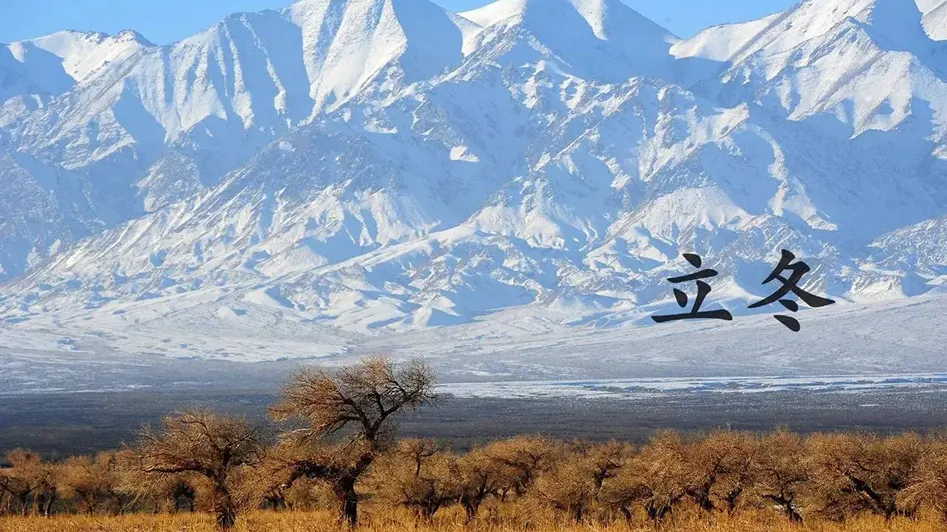
“Lì” means “to begin”; “Dōng” means “end” or “to store away.” As the classical text Yueling Qishier Hou Jijie puts it: “Winter is the end—when all things are gathered and stored.” Fields fall silent, granaries are full, animals retreat into burrows, and even the wind grows sharp—the northwesterly wind rises, water starts to freeze, and the earth slowly hardens.
The Three Pentads: Nature’s Quiet Signals
The ancients divided each solar term into three pentads (five-day phases), closely watching subtle shifts in nature:
- On Lìdōng day, thin ice first forms on still water.
- Five days later, the ground stiffens with frost.
- Another five days on, pheasants disappear. Ancient people imagined they transformed into giant clams (“shèn”), whose breath created mirages over the sea.
This may sound mythical, but it reflects a deep attunement to seasonal change: when birds vanish and mist thickens, winter has truly arrived.
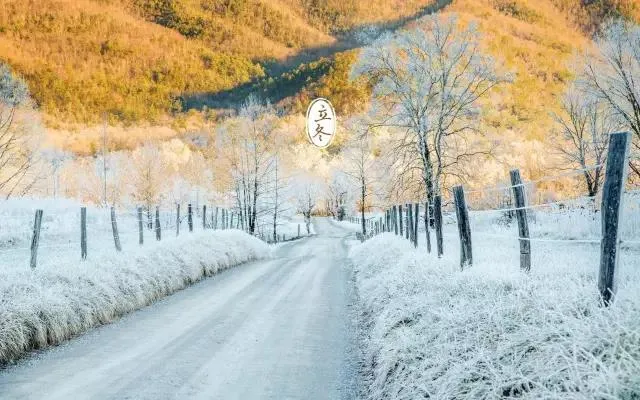
Welcoming Winter: Honoring the North
In ancient times, Lìdōng was one of the Four “Lì” Days—key seasonal thresholds. The imperial court would hold a ceremony in the northern suburbs to “welcome winter,” honoring Heidi (Black Emperor) Zhuānxū, one of China’s legendary Five Emperors, and his minister Xuánmíng, the god of water and snow. Zhuānxū embodied the still, focused energy of water; Xuánmíng governed ice and snow—poet Li Bai once wrote, “Xuánmíng commands the snow.”
These rites weren’t just religious—they expressed reverence for nature’s order: winter belongs to water, to the north, to the color black—all symbols of inwardness and stillness.
Winter Wellness: Sleep In, Stay Warm
Traditional Chinese medicine teaches “winter storage”—aligning with the season’s inward energy by going to bed early and rising late, ideally after sunrise. As an old saying goes: “Stretch your feet in bed on a winter night, and your whole body stays warm.” The ancients even encouraged a second nap—letting the body rest deeply in cozy warmth.
It sounds “anti-modern”—but consider this: in the darkest, coldest time of year, maybe it’s wiser to listen to your body than force a 5 a.m. run.
The Northwest Wind: A Hidden Beginning
Only after Lìdōng does the true northwesterly wind—called the “Bùzhōu Wind”—begin to blow. As the Huainanzi states: “In the northwest’s ‘incomplete’ wind, all things go into hiding.” Paradoxically, it’s within this seemingly harsh wind that the seed of spring quietly stirs beneath the earth.
Winter isn’t an end—it’s the quiet incubation of new life.

What to Eat on Lìdōng? North vs. South
In China, Lìdōng is also “Bǔ Dōng”—a day to nourish the body with warming foods for the cold months ahead.
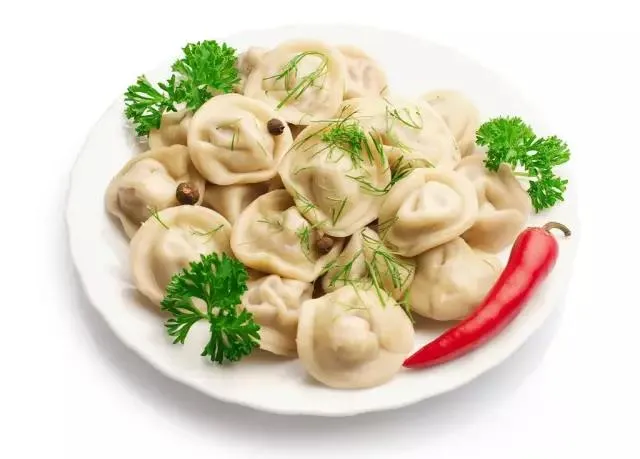
North: Dumplings are essential—they sound like “jiāozi,” echoing the idea of “transition between seasons.”
South: Braised sesame oil chicken, ginger duck hotpot, mutton stew—steaming pots fill homes and streets alike.
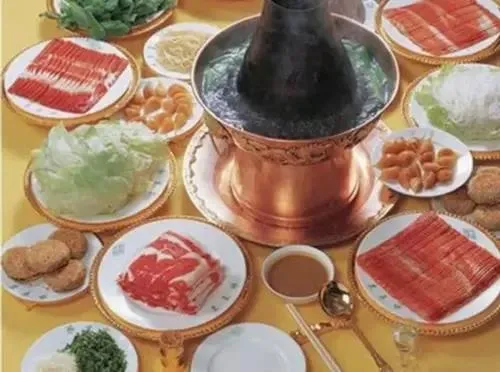
Imperial tradition: The Qing court celebrated with hotpot lamb—thin slices dipped in simmering broth, then swirled in sesame sauce. Simple, elegant, deeply comforting.
Behind these customs lies a wisdom of living with nature—not against it.
Closing Thought: Winter Can Be Gentle
Today, few of us perform rituals or strictly follow ancient sleep schedules. But Lìdōng gently reminds us: in a world obsessed with speed, it’s okay—even wise—to slow down. Wrap yourself in an extra blanket. Simmer a pot of soup. Share a meal with loved ones. These small acts are their own kind of reverence.
Winter has begun—but there’s no need to fear the cold. For within this stillness, a new beginning is already stirring.