
How People in China Celebrate New Year's Day (Yuandan)
The Origin of "New Year's Day" (Yuandan)
In Chinese, the word “yuan” (元) means “beginning” or “first,” while “dan” (旦) is a pictographic character—the “sun” (日) above, and a horizontal line “—” below, representing the horizon. Together, “dan” evokes the image of the sun rising from the horizon at dawn, symbolizing a fresh start.
When combined, “Yuandan” (元旦) literally means “the first day of the new year”—a name that captures the hope and renewal that come with the turn of the calendar.
The Legend Behind Yuandan (New Year’s Day)
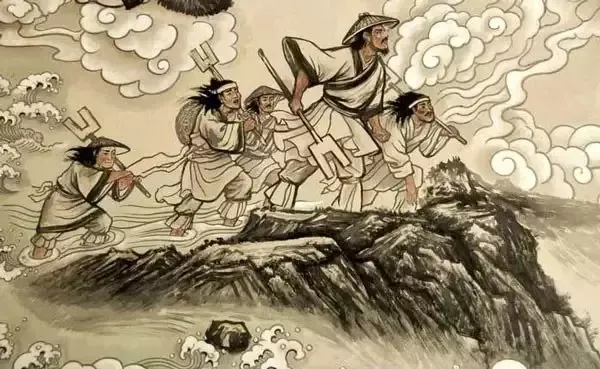
Long ago, during the golden age of the legendary rulers Yao and Shun, Emperor Yao governed with wisdom and deep care for his people. He earned their heartfelt respect by doing great deeds for their welfare. Yet, knowing his own son lacked talent and virtue, Yao chose not to pass the throne to him. Instead, he entrusted it to Shun—a man of both moral integrity and ability.
Before stepping down, Yao told Shun, “When the time comes, choose your successor wisely, so I may rest in peace after I’m gone.” True to Yao’s hopes, Shun later passed the leadership to Yu, who had tamed the great floods and, like his predecessors, ruled with compassion and dedication. The people loved and honored him just as they had Yao and Shun.
After Yao’s death, Shun held solemn rites to honor Heaven, Earth, and his predecessor Yao. That day—later fixed as the first day of the first lunar month—became known as Yuandan (元旦) or Yuanzheng (元正), meaning “the dawn of the new year.” This marked the beginning of the ancient Chinese New Year, rooted in reverence, virtue, and the peaceful transfer of power.
What are the New Year’s Day(Yuandan) traditions in China?
1.Setting Off Firecrackers
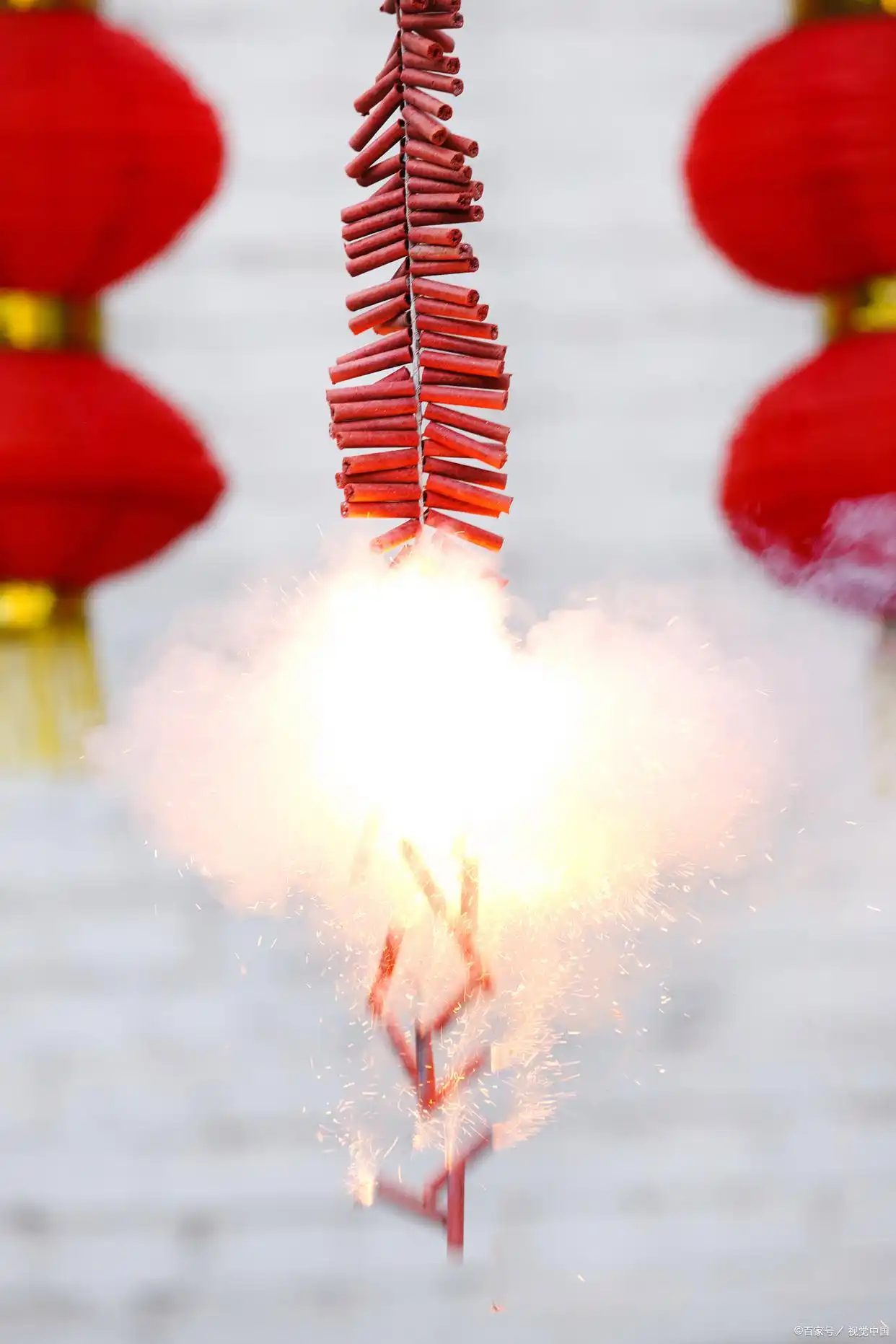
The loud crack of firecrackers signals the end of the old year and the arrival of the new. According to legend, “Nian” was a fearsome beast that would emerge at year’s end to harm people. To scare it away and keep their families safe, people began lighting firecrackers—the noise and flashes driving the monster off.
Over time, this practice became more than just protection; it filled the air with joy, energy, and celebration, adding a lively spirit to New Year’s Day.
2.Dusting Away the Old
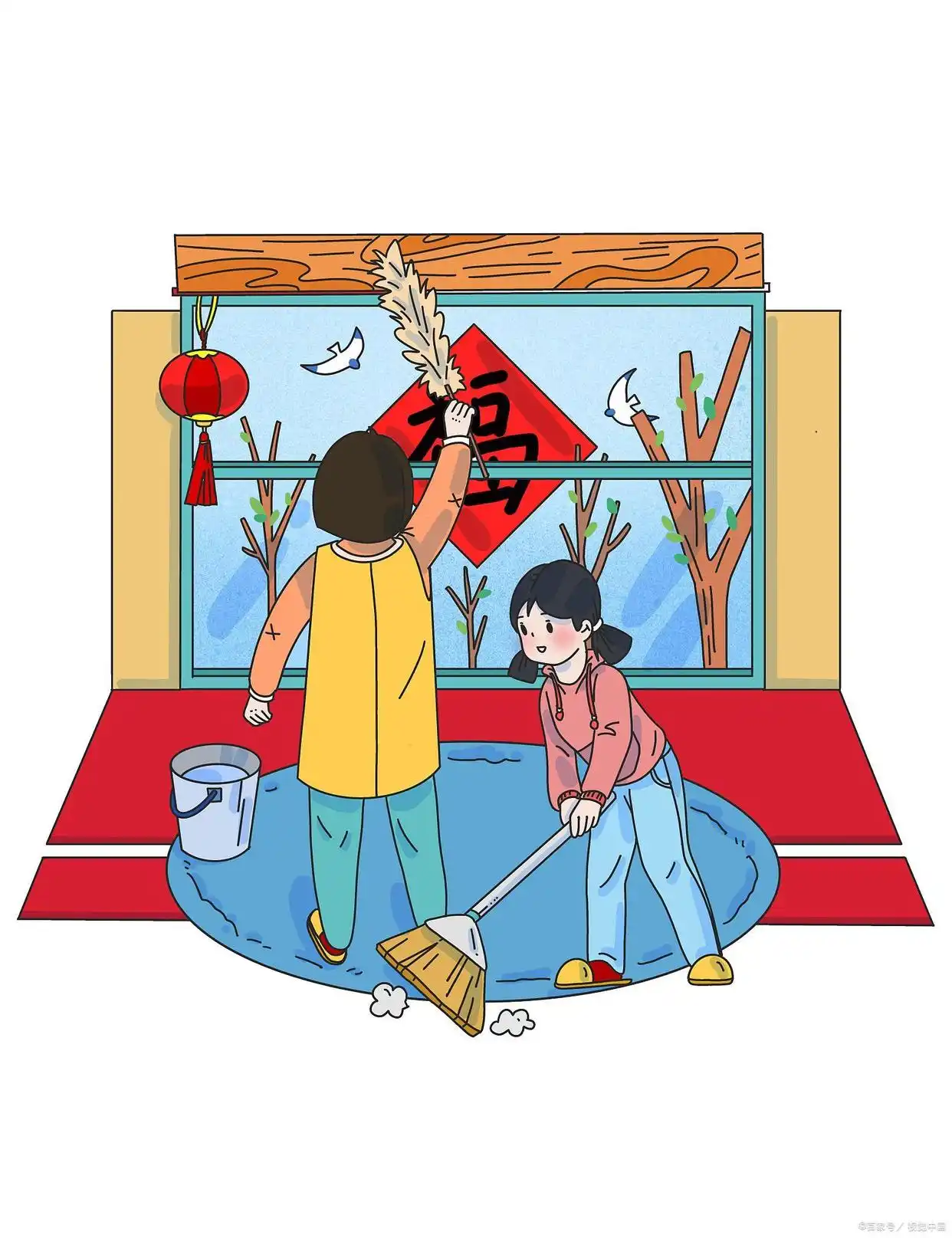
As early as the time of Yao and Shun—over 4,000 years ago—people in China were already practicing the custom of thorough cleaning before the new year, as recorded in the Lüshi Chunqiu.
In Chinese, the word for “dust” (chen) sounds like the word for “old” or “stale” (chen as in 陈). So sweeping away dust became symbolic: it meant sweeping out the old—the bad luck, the misfortunes, everything worn-out or unwanted—to make room for fresh beginnings.
This tradition isn’t just about tidying up; it’s an act of hope. By clearing the home, people express their wish to leave the past behind and welcome the new year with clarity, renewal, and good fortune.
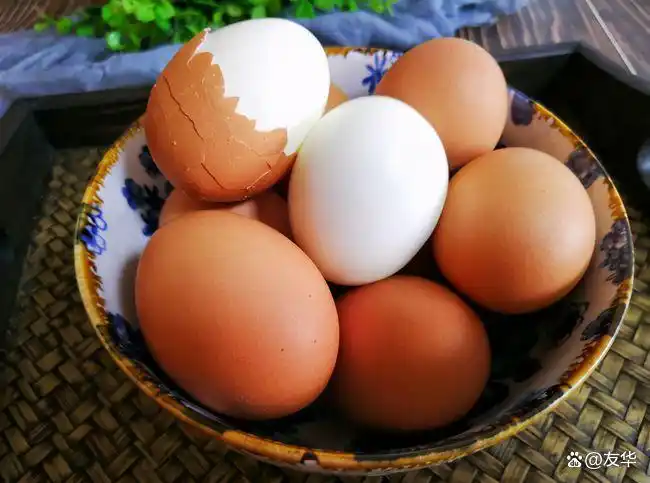
3.Eating Eggs on New Year’s Day
In ancient times, there was a saying: “On the first morning of the new year, swallow a raw egg—this is called lianxing (‘refining the body’).” The term lianxing comes from Daoist practice, referring to spiritual and physical cultivation aimed at achieving longevity or even immortality.
Over time, this evolved into the custom of eating an egg on New Year’s Day—not necessarily raw—as a symbol of health, vitality, and long life. The egg, round and whole, represents wholeness and renewal, embodying people’s heartfelt wish for a strong body and enduring fortune in the year ahead.
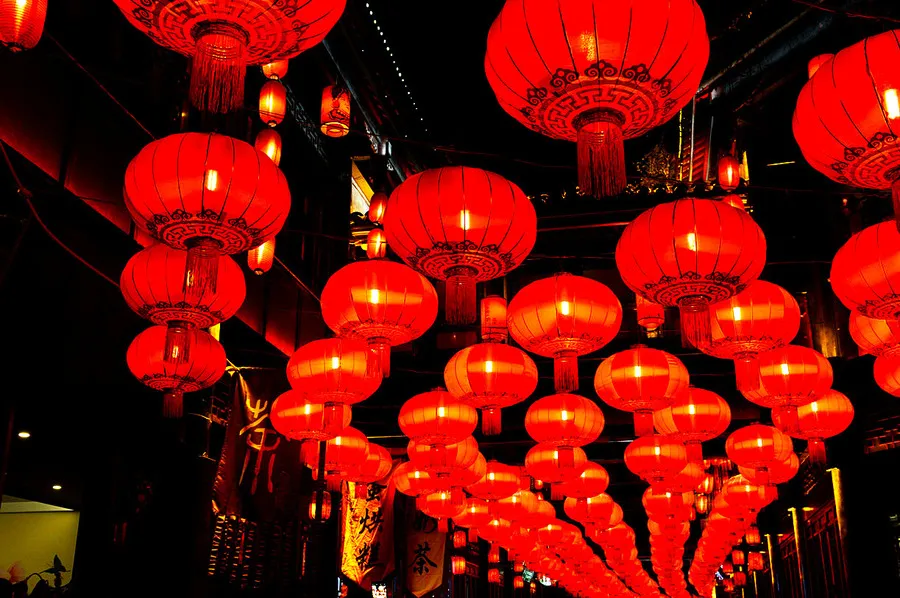
4.Hanging Lanterns
People hang lanterns to light up the new year—bringing brightness, hope, and a warm glow to what lies ahead.
Beyond these traditions, families also gather for a New Year’s meal—dumplings in the north, sweet glutinous rice balls (tangyuan) in the south.
In modern China, it’s just as common to celebrate in public: crowds gather in city squares, counting down together, watching performances, and welcoming January 1st with music, lights, and shared excitement.
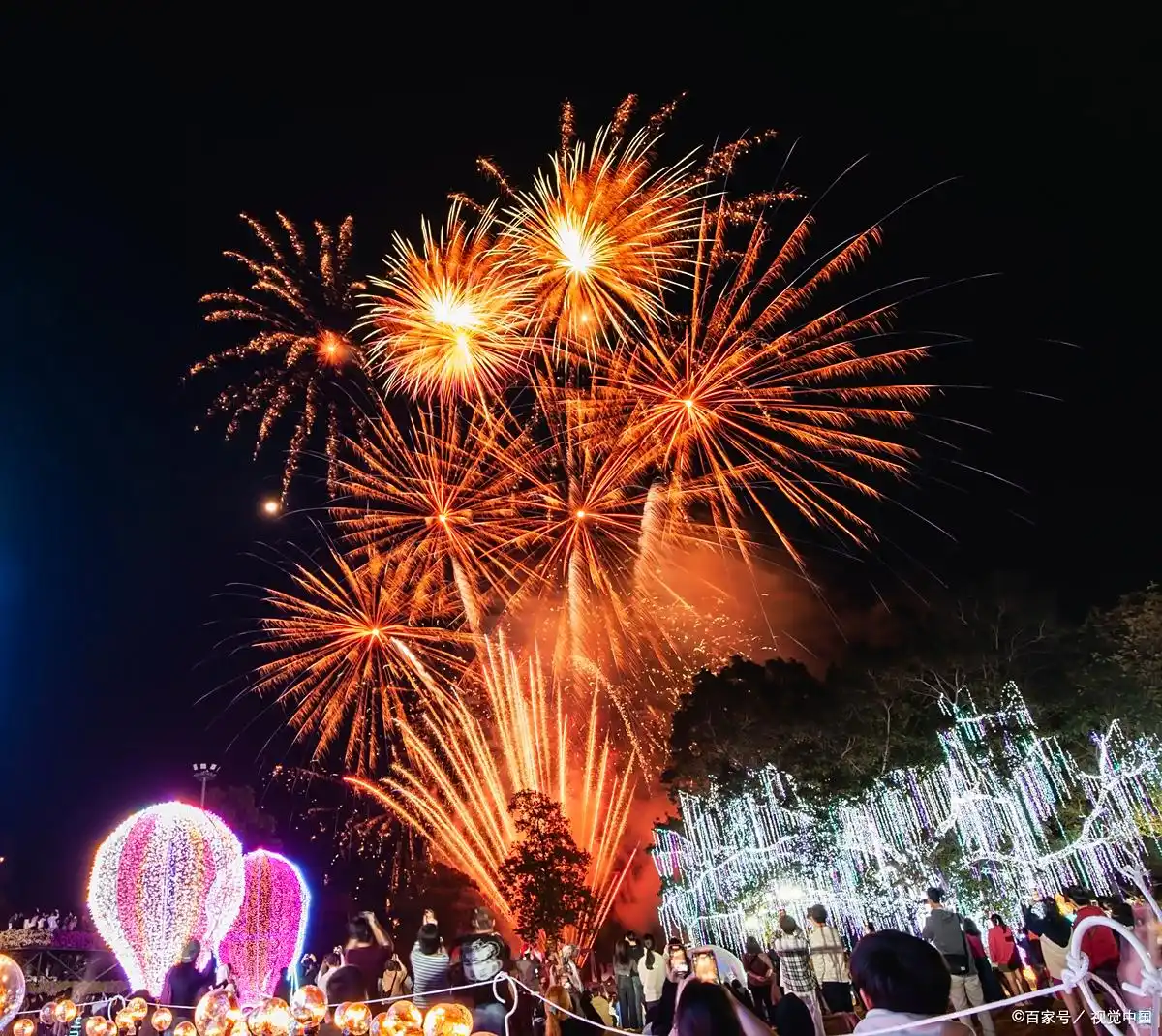
These days, New Year’s Day isn’t bound by strict traditions—people simply come together to celebrate, exchange warm wishes, and welcome the year ahead with hope and good intentions.
Poems for New Year’s Day
In Chinese, “yuan” (元) means “beginning”—the start of any count or cycle. “Dan” (旦) means “day,” literally picturing the sun rising above the horizon. Together, “Yuandan” (元旦) signifies “the first day”—the dawn of a new year.
As the opening of the calendar, this day has long inspired poets and scholars to pick up their brushes and pour their hopes, reflections, and joys into verse—leaving behind timeless poems for generations to cherish.
《元旦》
《New Year’s Day》
宋·艾性夫
by Ai Xingfu (Song Dynasty)
不管髼鬆雪满颠,
笔床茶灶度年年。
穷愁博得长清健,
多折梅花供老天。
Snow caps my tousled hair, year after year—
by inkstone and teapot I pass my days.
Poverty may bring sorrow, yet grants me health;
I pluck plum blossoms to offer the heavens in thanks.