
Sautéed Green Beans with Shredded Pork Recipe (四季豆炒肉丝)
-

RATINGS
Not rated yet
-

COOK TIME
Prep 15m • Cook 12m
-

VIEWS
419
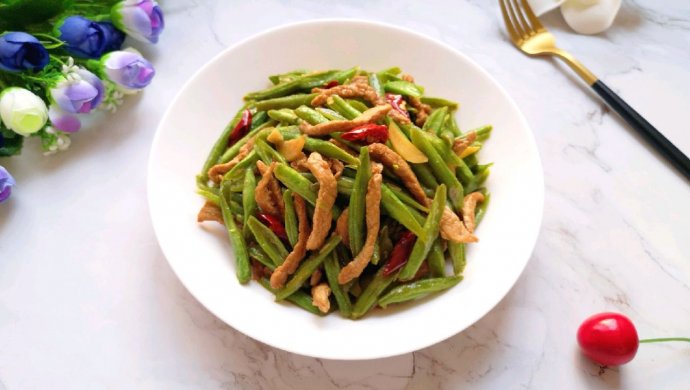
This is the dish I make when I need dinner on the table fast but still want something that tastes like it took effort. I learned it from my aunt, who always said: “Green beans must blister, pork must stay soft.” Over the years, I’ve dropped the chicken powder and veggie seasoning—real garlic, ginger, and a splash of soy do all the work. The beans get deeply caramelized at the edges, the pork stays tender without being greasy, and everything clings to hot rice like it was meant to be there. It’s humble, honest, and never lasts long in my fridge.

Ingredients
-
260 g green beans
yardlong beans or regular green beans, trimmed
-
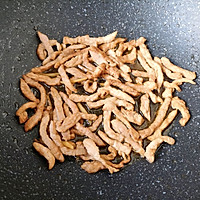
150 g pork tenderloin
cut into thin shreds (about 5 cm long, 3 mm thick)
-
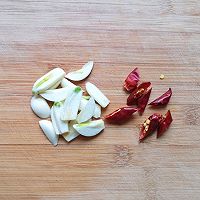
3 garlic cloves
thinly sliced
-
2 dried red chili peppers
optional, stems removed, cut into 2 cm pieces
Can’t find it? Try this one. -
5 g fresh ginger
cut into fine shreds (about 1 tsp)
-
3 tbsp neutral oil
(like avocado, grapeseed, or canola), divided
-
1 tbsp light soy sauce
Can’t find it? Try this one. -
½ tsp dark soy sauce
Can’t find it? Try this one. -
1 tsp cornstarch
optional, for tenderizing pork
-
¼ tsp freshly ground black pepper
optional, for depth

Instructions
-
Step 1: Marinate the pork while prepping vegetables
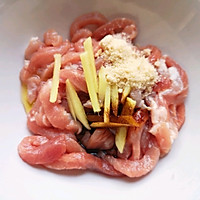
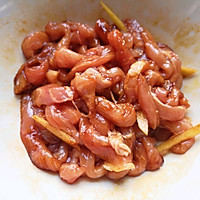
Cut pork into thin shreds. In a small bowl, combine pork, ginger shreds, dark soy sauce, cornstarch (if using), and ½ tbsp of the oil. Mix with your fingers until the liquid is absorbed and the meat feels slightly sticky. Set aside for 10–15 minutes while you trim and cut the beans.
-
Step 2: Cut beans for even cooking and better sauce cling
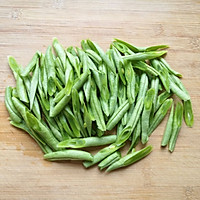
Trim both ends of the green beans and remove any tough strings. Cut diagonally into 4–5 cm pieces—this exposes more surface area, helping them cook through faster and absorb flavor better.
-
Step 3: Stir-fry the pork quickly—just until cooked through
Heat 1 tbsp oil in a large wok or skillet over high heat. Add the marinated pork and spread it out for 10 seconds before stirring. Cook 1.5–2 minutes, breaking up clumps, until no pink remains. Transfer immediately to a plate—overcooking makes it tough.
-
Step 4: Sauté aromatics gently—garlic should scent, not burn
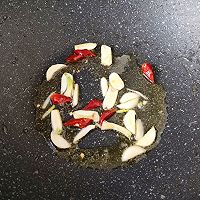
Add remaining 1½ tbsp oil to the same pan. Reduce heat to medium-low. Add garlic slices and dried chilies (if using). Cook 30–40 seconds until garlic turns pale gold and chilies smell toasty—but not bitter.
-
Step 5: Blister the green beans over high heat
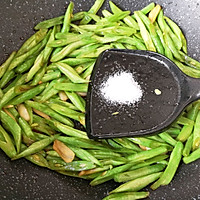
Turn heat to high. Add green beans and stir constantly for 3–4 minutes. They’ll go from bright green to dull olive, then start to wrinkle and char slightly at the edges—that’s what you want. Don’t add water yet; dry heat builds flavor.
-
Step 6: Deglaze with soy sauce and steam briefly to finish cooking
Pour in light soy sauce—it should sizzle loudly. Stir 10 seconds, then add 2 tbsp water. Cover the pan and reduce heat to medium-low. Steam for 2–3 minutes, stirring once halfway, until beans are tender when pierced with a fork (undercooked beans can cause digestive upset).
I added a pinch of salt while stir-frying, but I’d recommend waiting until the very end to taste and decide if you really need. -
Step 7: Return pork and finish with a final high-heat toss
Uncover, return the cooked pork to the pan. Add black pepper (if using). Stir-fry over high heat for 45–60 seconds to reheat everything and let flavors meld. Taste—usually no extra salt is needed.

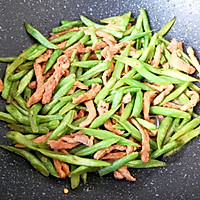

Chef’s Notes
-
Key to fully cooked beans: Green beans must be completely cooked (the braising step is indispensable)—undercooked beans contain natural toxins that may cause discomfort. If worried about undercooking, extend the braising time by 1-2 minutes, or blanch the beans in boiling water for 1 minute before stir-frying.
-
Pork tenderness tips: Adding oil and cornstarch during marination forms a protective layer on the pork to lock in moisture; fry the pork over high heat quickly to avoid toughness; remove the pork after frying and combine at the end to prevent it from absorbing excess oil.
-
Flavor adjustments: Replace pork with chicken breast or shrimp (shrimp marinate for 5 minutes) if not eating pork; for a Western twist, sprinkle a little black pepper or grated Parmesan cheese before serving; replace vegetable seasoning powder with chopped parsley or cilantro for a fresh taste.
-
Always taste before serving: Soy sauces vary in saltiness. If the dish tastes flat, add a small pinch of salt (¼ tsp or less) right at the end—better to adjust late than over-salt early.