
Scrambled Eggs with Yellow Chives (韭黄炒鸡蛋)
-

RATINGS
Not rated yet
-

COOK TIME
Prep 4m • Cook 6m
-

VIEWS
499
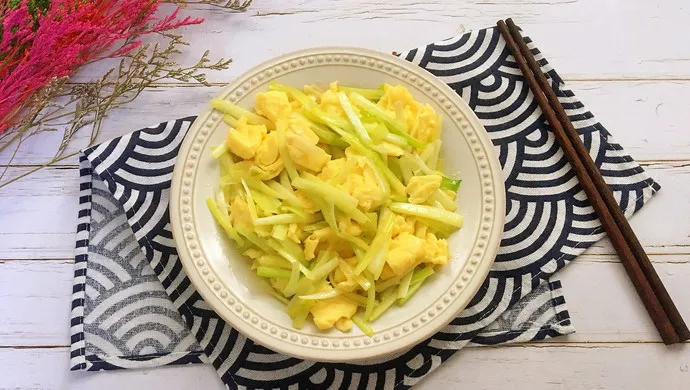
Tender scrambled eggs paired with fragrant yellow chives in a light, savory stir-fry. The eggs stay soft thanks to a splash of water and quick cooking, while the chives add a mild onion-like aroma without overpowering. Ready in under 10 minutes—ideal with steamed rice or as a simple, satisfying side.

Ingredients
-
Yellow chives (jiu huang)
200 g, cut into 5-cm pieces
-
Large eggs
3
-
Water
2 tbsp
-
Salt
½ tsp (for eggs) + ¼ tsp (for final seasoning)
-
Cooking oil
2 tbsp (divided)

Instructions
-
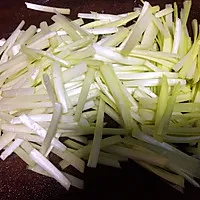
Step 1: Give the chives a quick rinse and chop
Rinse yellow chives under cold water, shake off excess, and cut into 5-cm (2-inch) pieces. Set aside—they cook fast, so don’t prep too early or they’ll wilt.
-
Step 2: Whisk the eggs like you mean it
Crack eggs into a bowl. Add 2 tbsp water, 1 tsp Shaoxing wine, and ½ tsp salt. Whisk until fully blended and slightly frothy—this makes the eggs fluffier.
-
Step 3: Cook the eggs first—don’t overdo it
Heat 1 tbsp oil in a nonstick skillet or wok over medium-high. Pour in the egg mixture. Let it set slightly at the edges, then gently stir until just cooked through but still soft (about 30–45 seconds). Transfer to a plate right away.
-
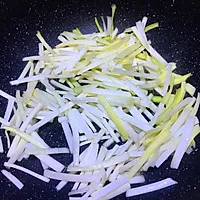
Step 4: Stir-fry the chives on high heat
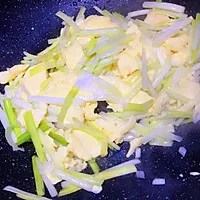
Add the remaining 1 tbsp oil to the same pan. Crank the heat to high. Toss in the chives and stir constantly for about 45 seconds—just until they soften slightly and release their fragrance. Don’t let them get soggy.
-
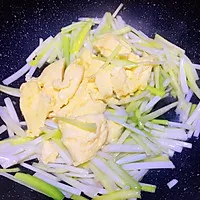
Step 5: Bring it all back together
Return the scrambled eggs to the pan. Add ¼ tsp salt (taste first—some prefer no extra salt). Give everything one quick toss—just enough to combine. Turn off the heat and serve immediately.




Chef’s Notes
-
Yellow chives are delicate—overcooking turns them limp and dull. Keep the stir-fry under a minute.
-
No Shaoxing wine? Skip it or use a splash of dry sherry—but don’t substitute with vinegar or soy sauce.
-
Leftovers? Not really. This dish is best eaten fresh—reheating ruins the texture.